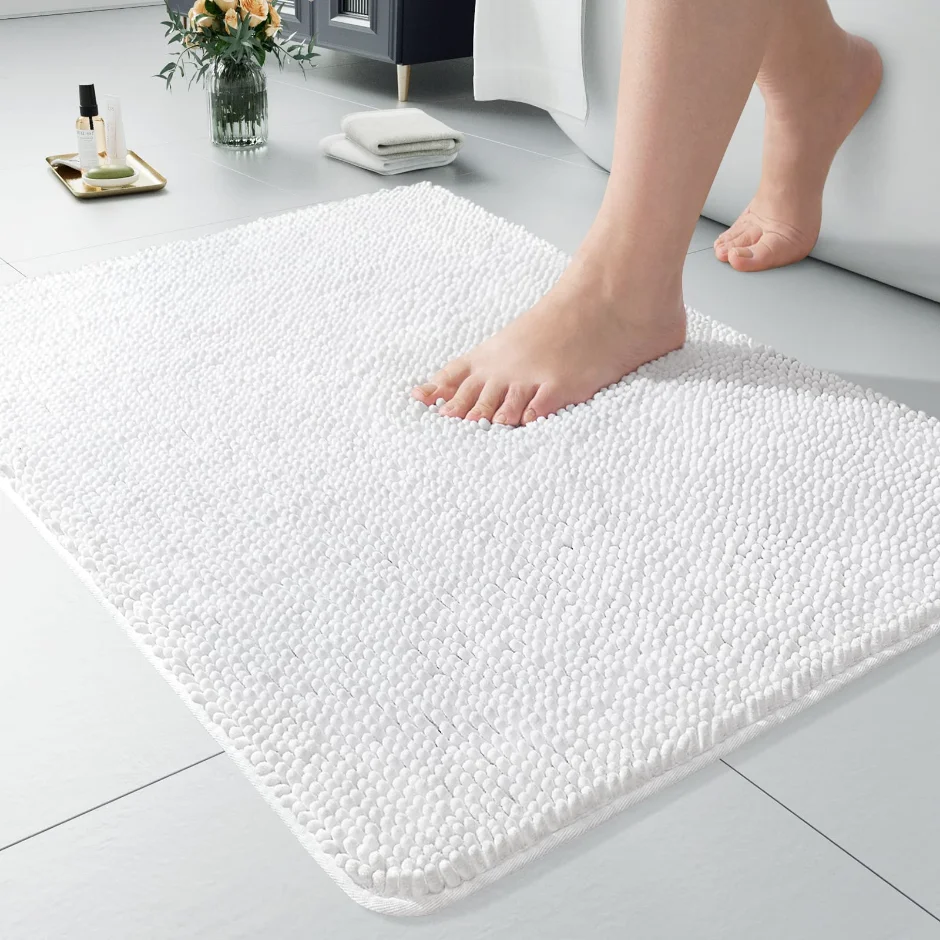
Luxury Chenille Bath Mat 24 × 17 in, White
24 × 17 inWhite
$10.794.4(9,452)

Soft floor coverings for the home
From dense chenille bath mats with full TPR backing to deep pile shag rugs that quiet a living room or bedroom, our catalog spans 550 pieces in 51 colors.
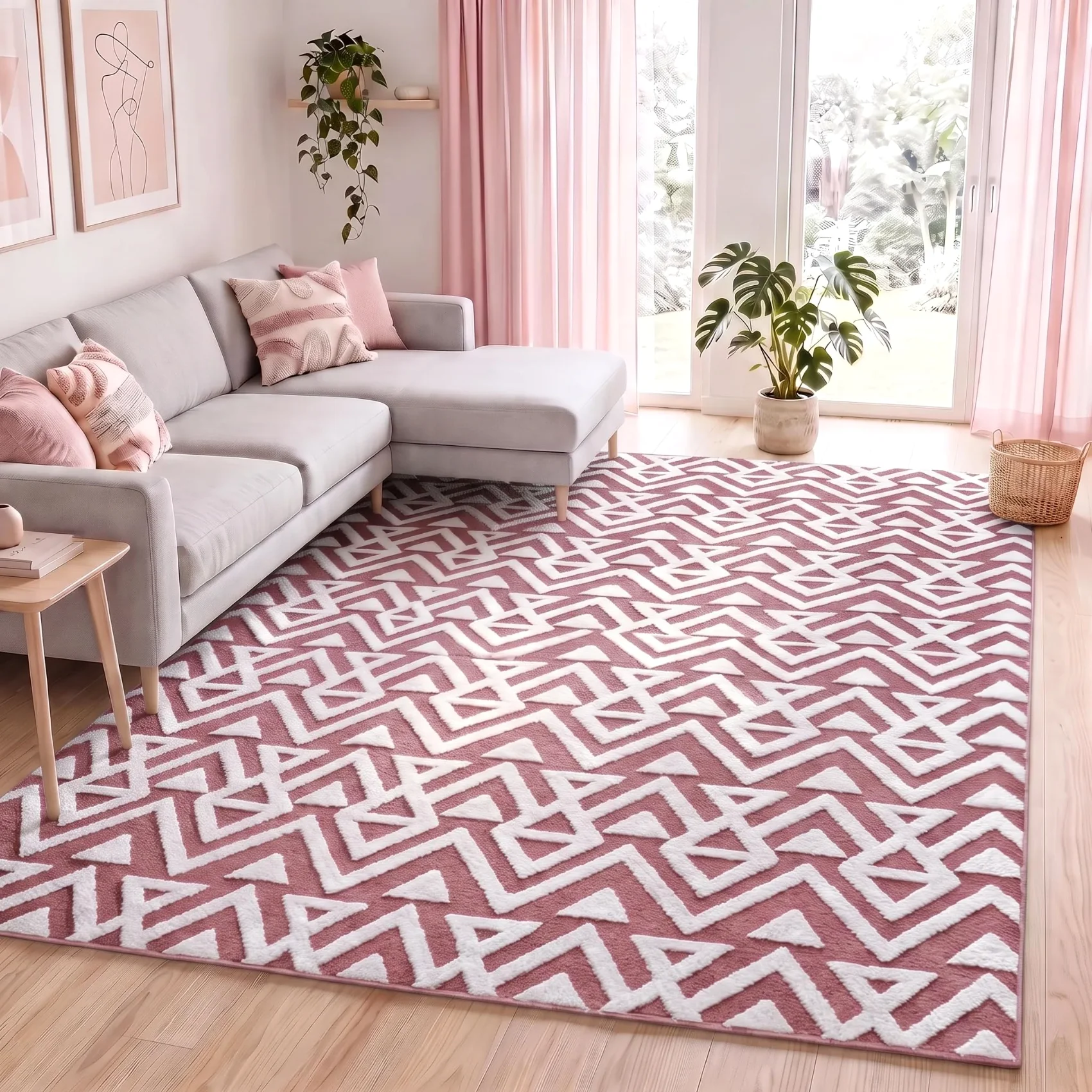
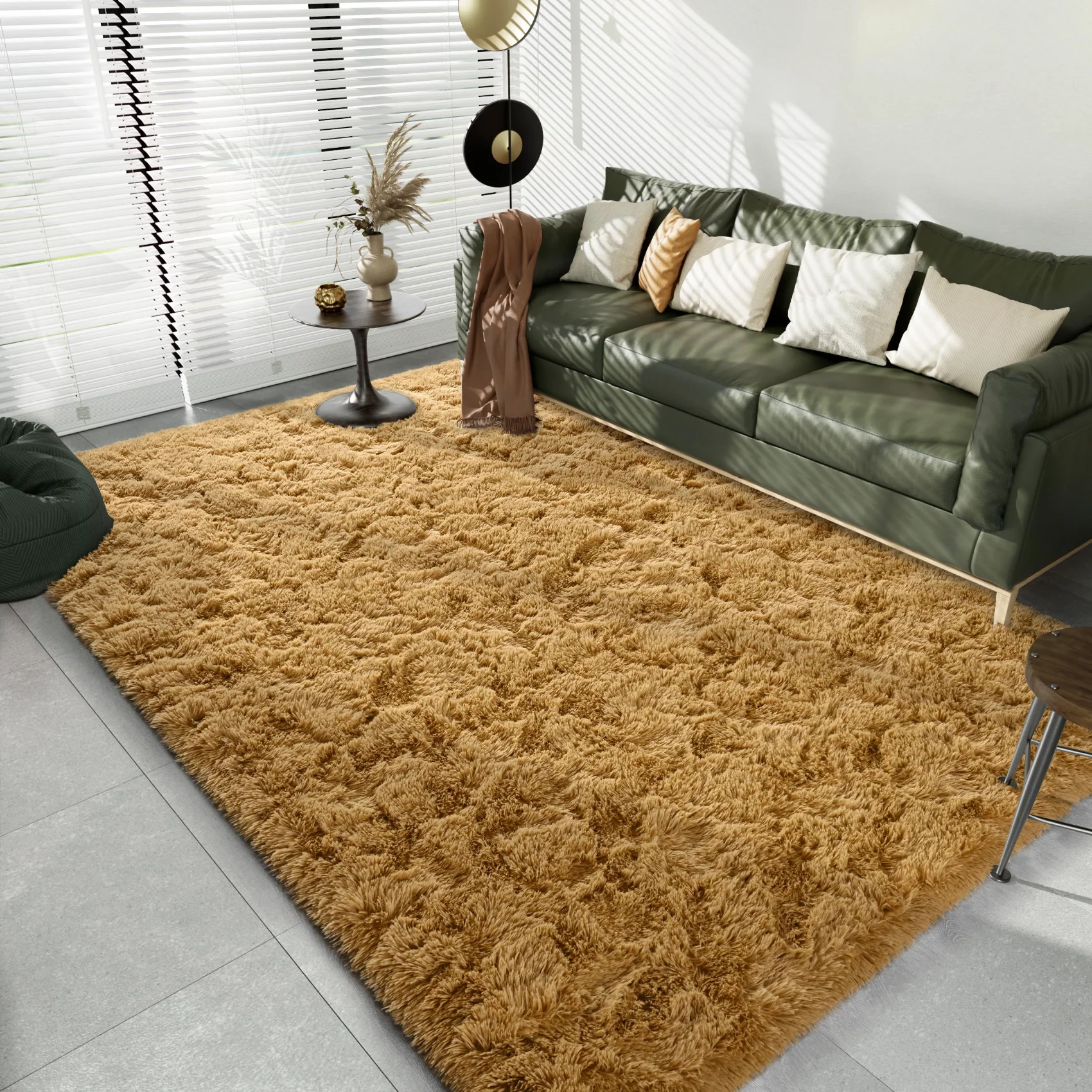
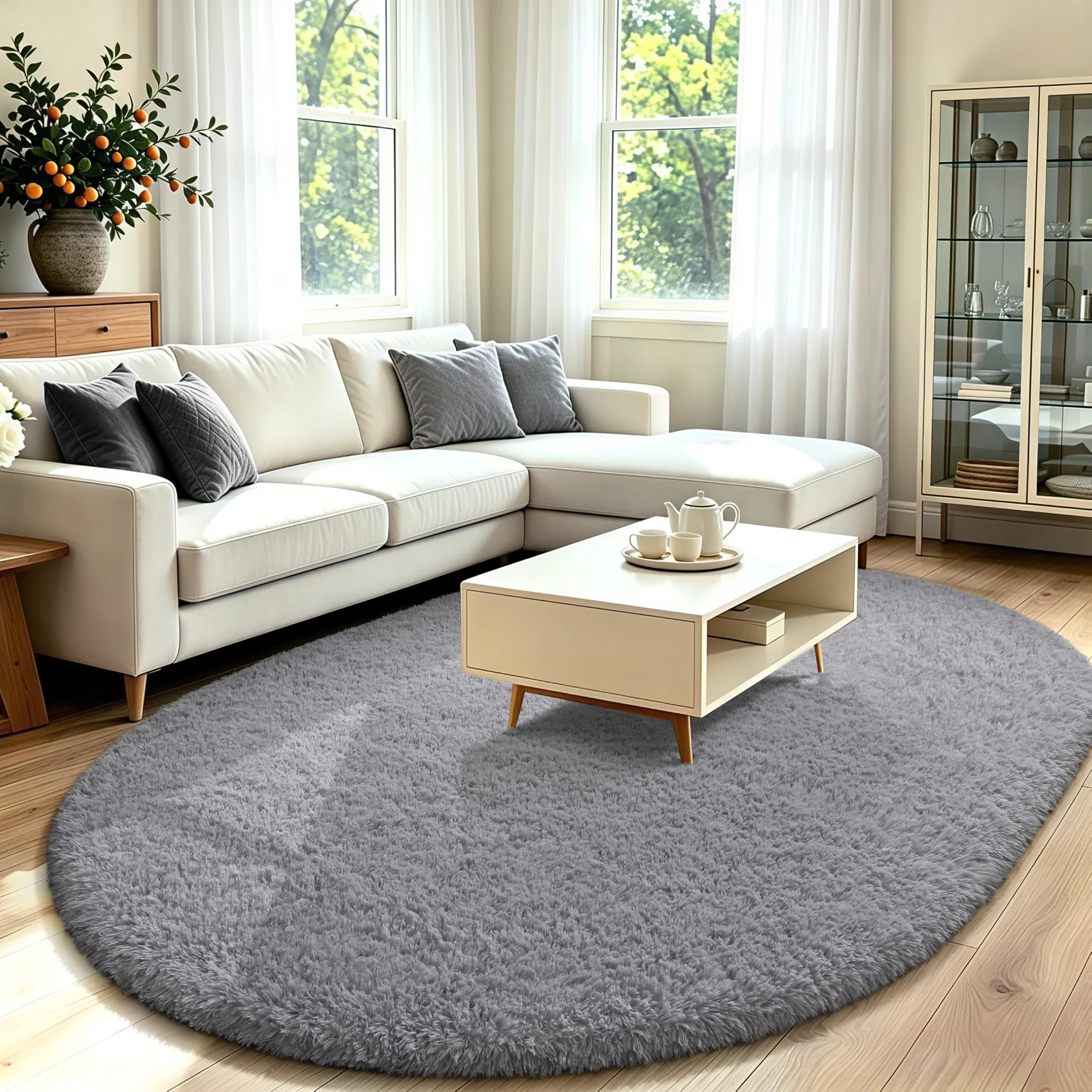
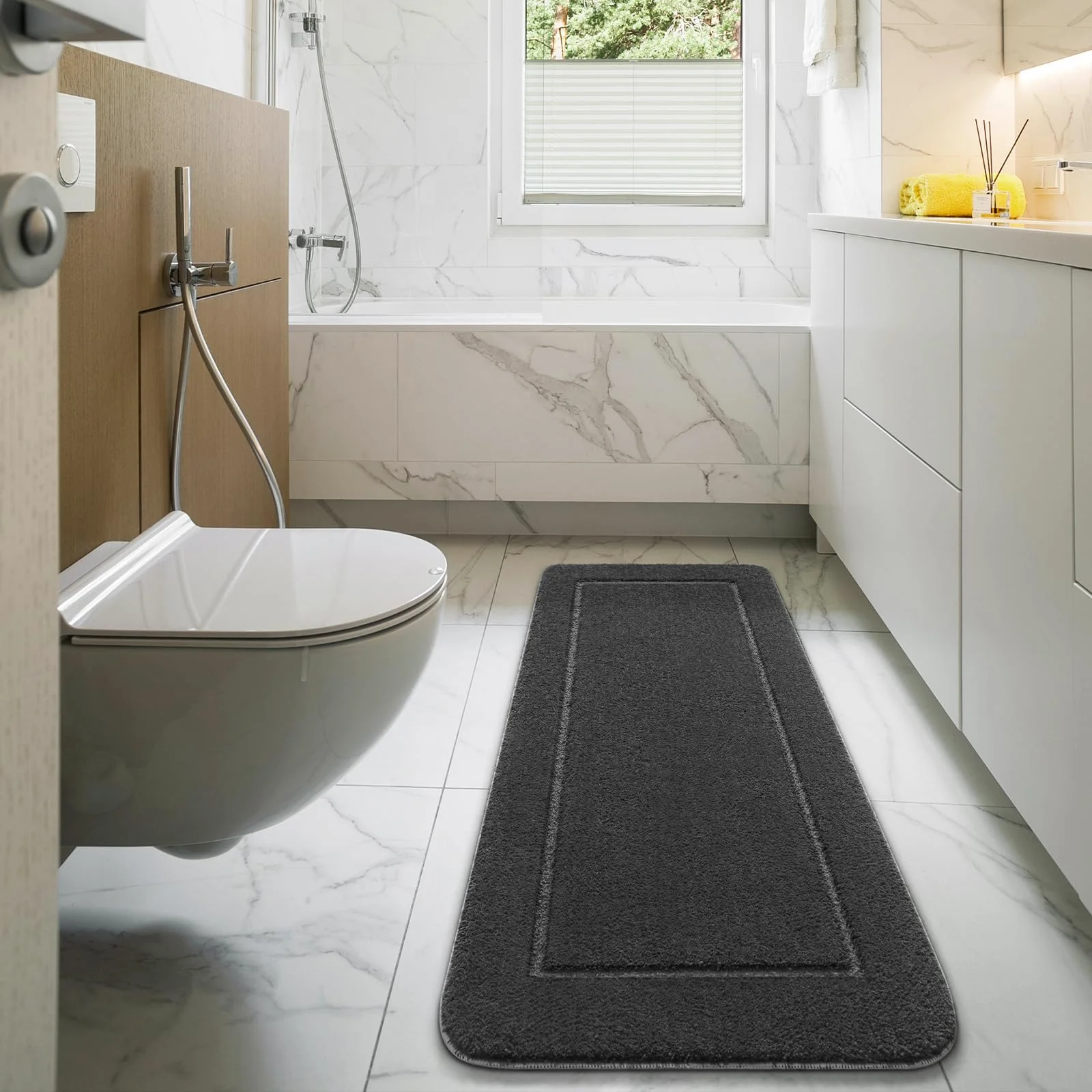
Eleven shelves
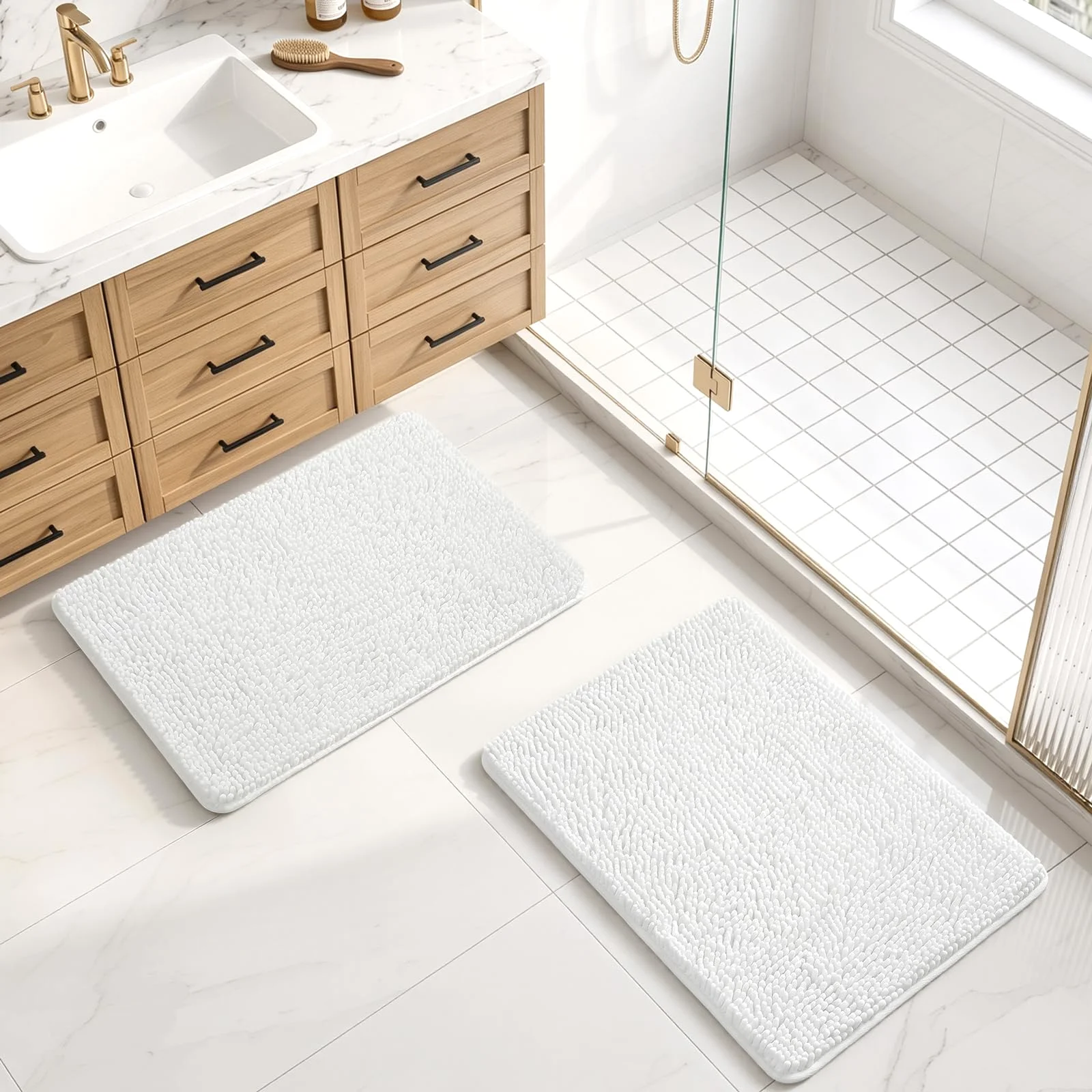
In a bathroom, the floor needs a mat that handles water. Our chenille pile is dense enough to pull moisture off your feet in a moment, and water passes through to a full rubber backing that grips tile without shifting. The pile stays short so it dries quickly and comes out of the wash ready to use.
In a living room or hallway, pile height and size set the rules. Our deep shag rugs reach up to 1.77 inches, made for barefoot comfort where you sit or stretch out. Low-pile washable rugs, under a quarter inch, let doors swing clear and chairs roll without catching. Size the rug to the space, and the pile to how you use it.
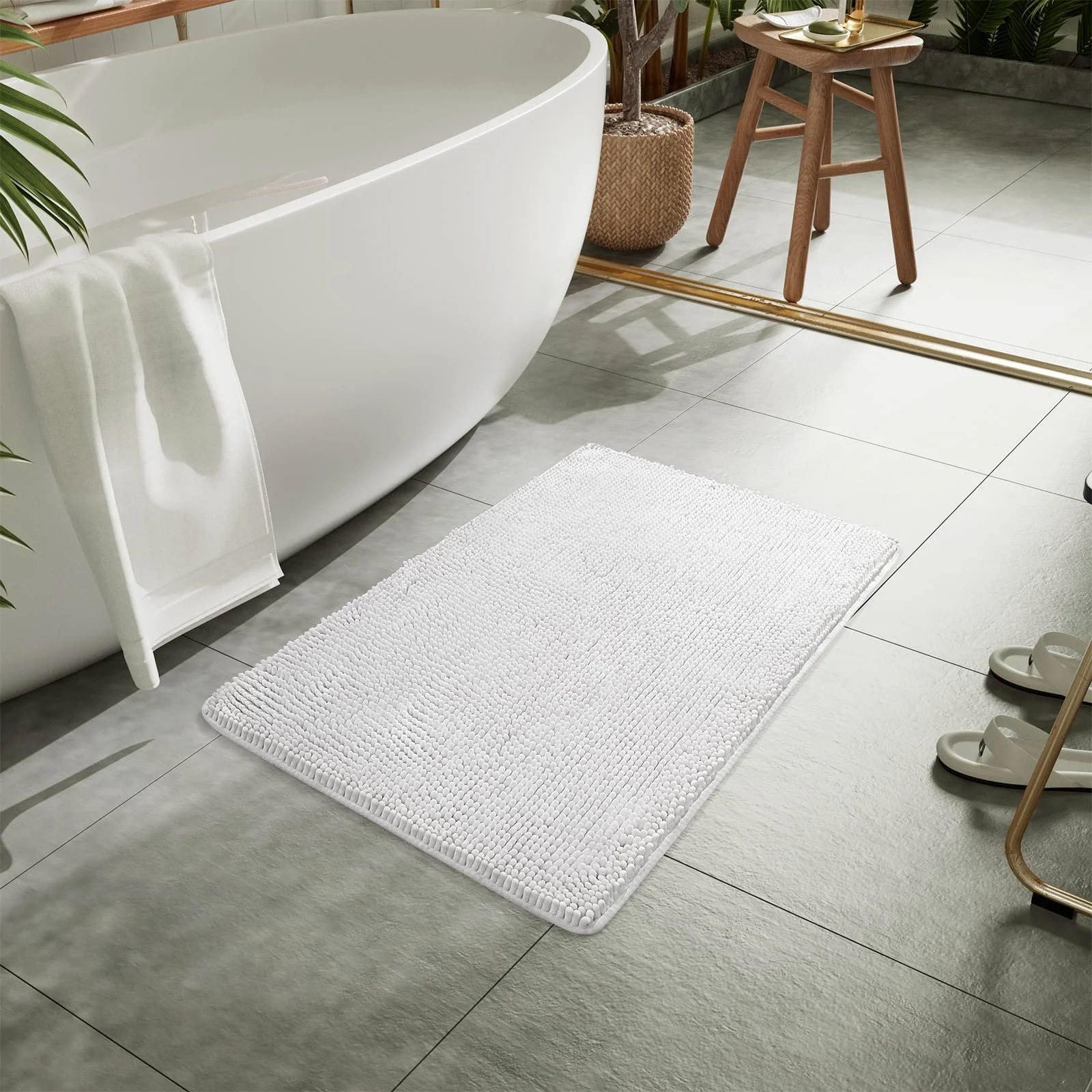
Soft chenille bath mats in the sizes that fit in front of a tub, a basin or a shower door.
Runner-length bath rugs for a double vanity, a galley bathroom or the length of a tub.
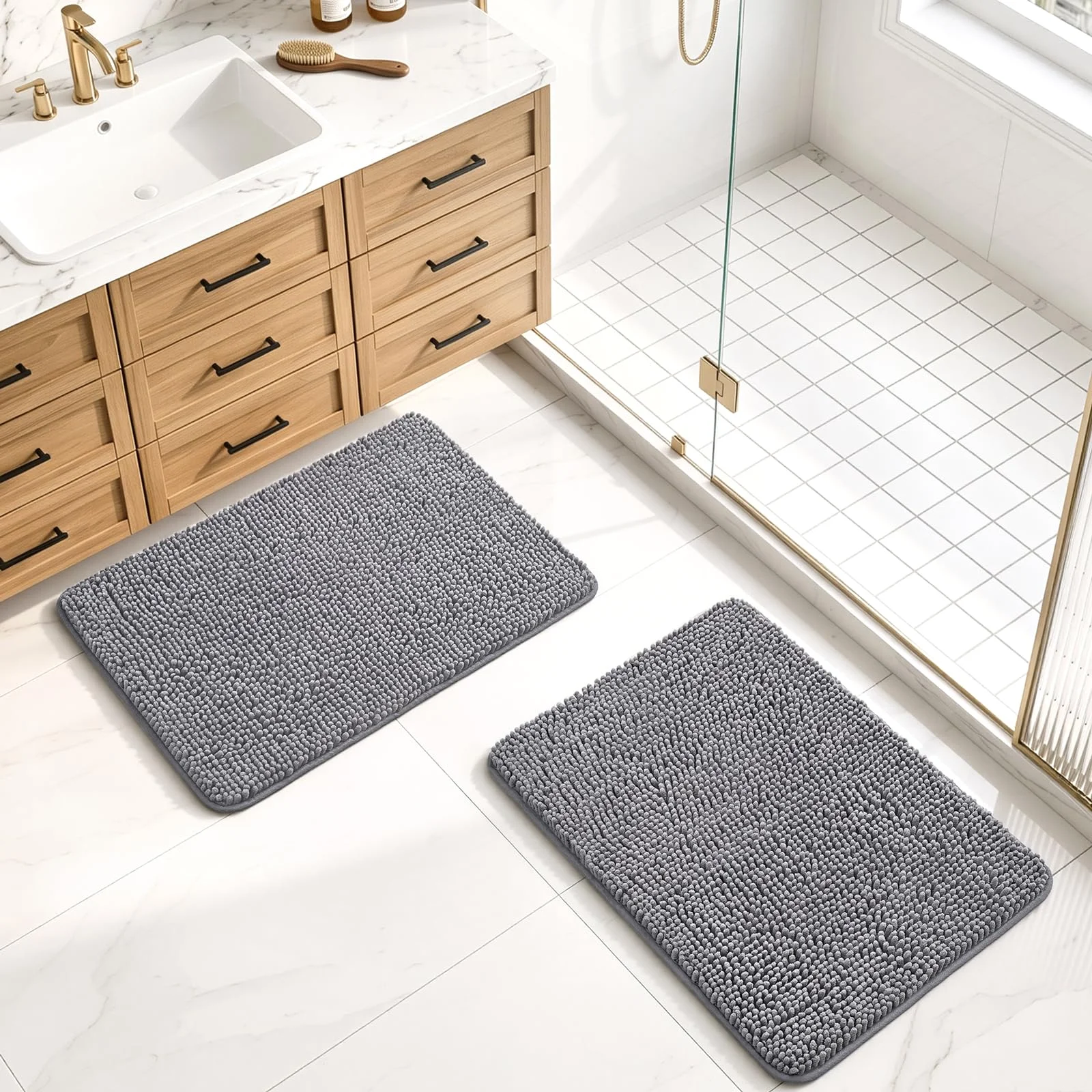
Two and three piece sets that dress a whole bathroom in one color.
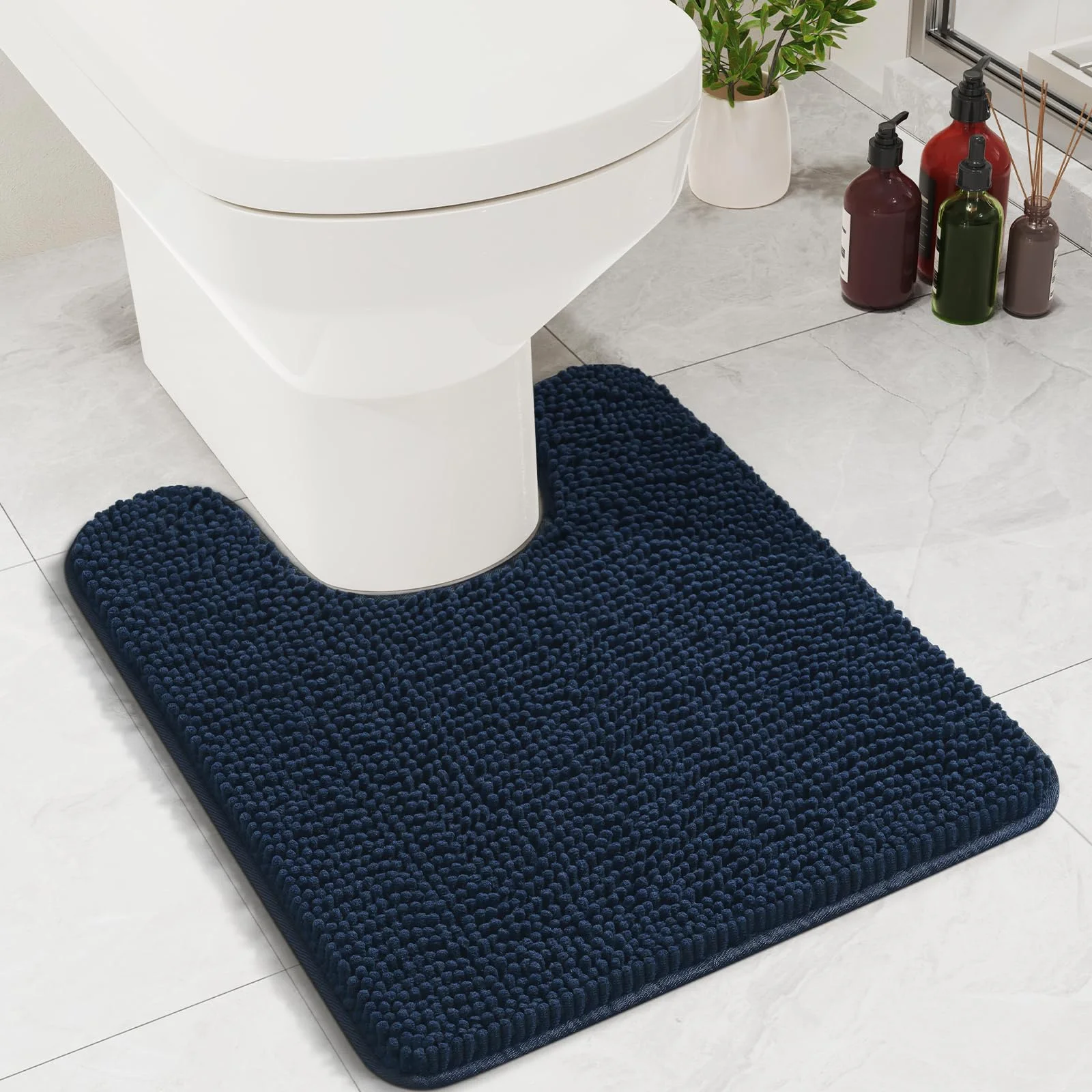
U-shaped contour rugs cut to sit around the base of a toilet.
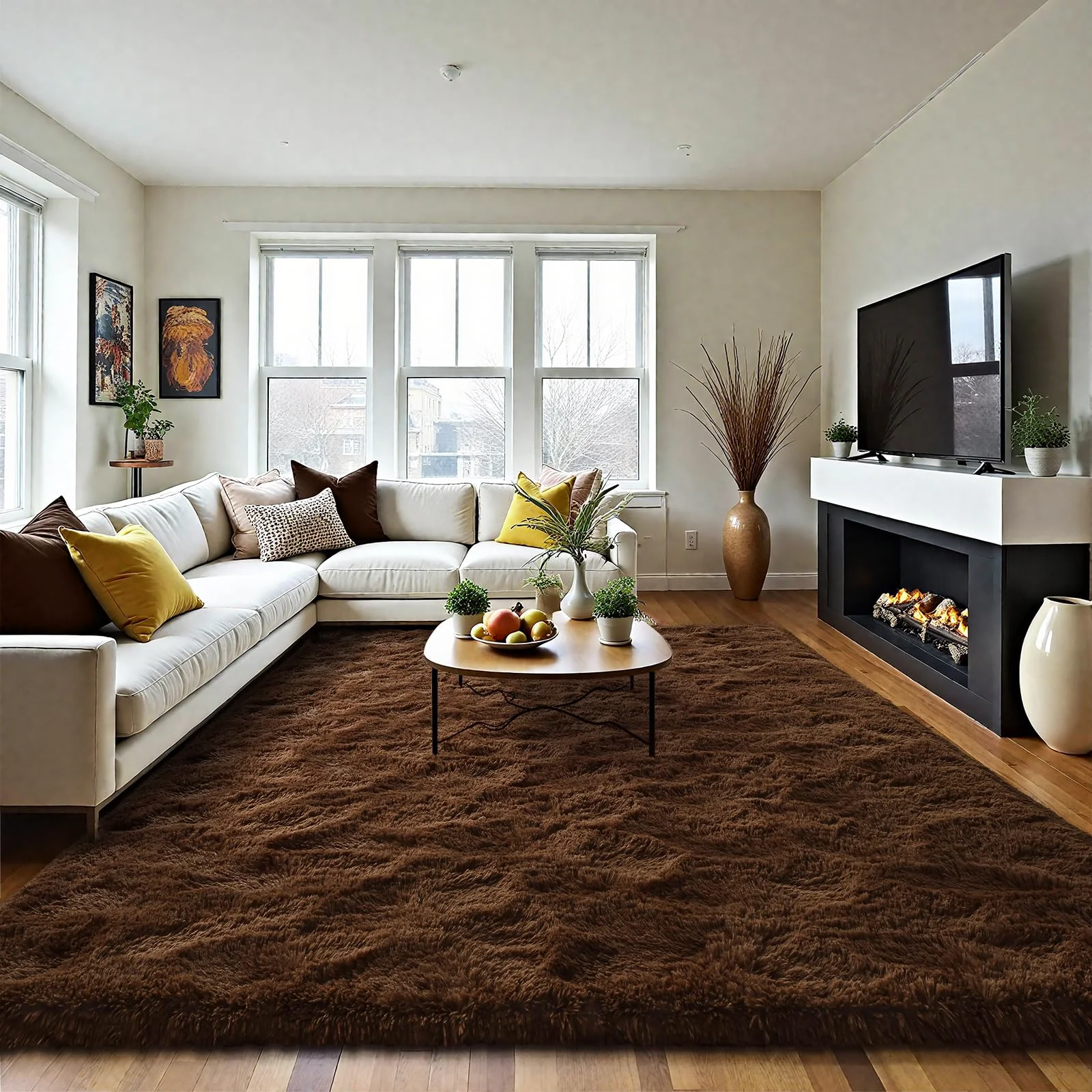
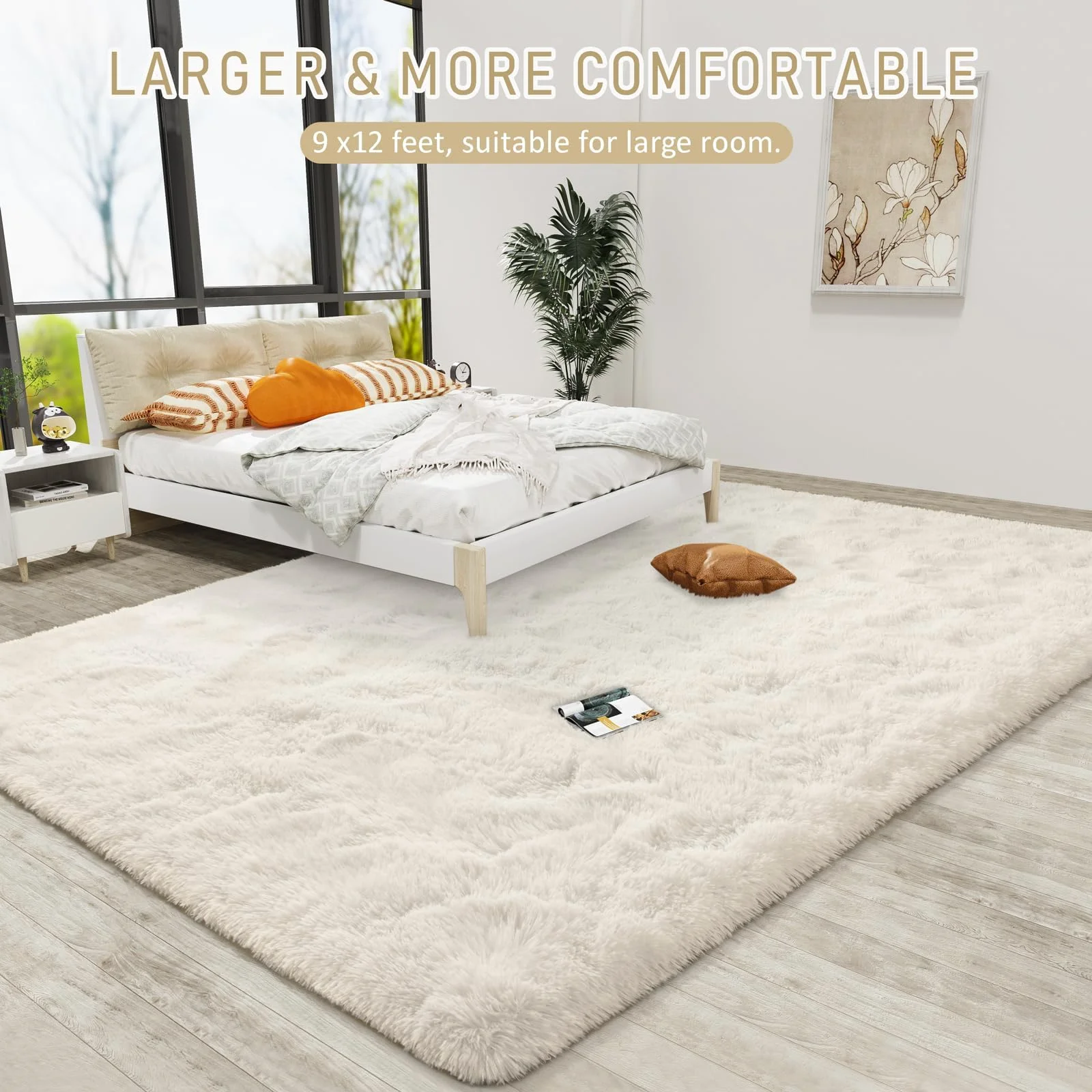
Our deep-pile shag rugs for living rooms, bedrooms and nurseries.
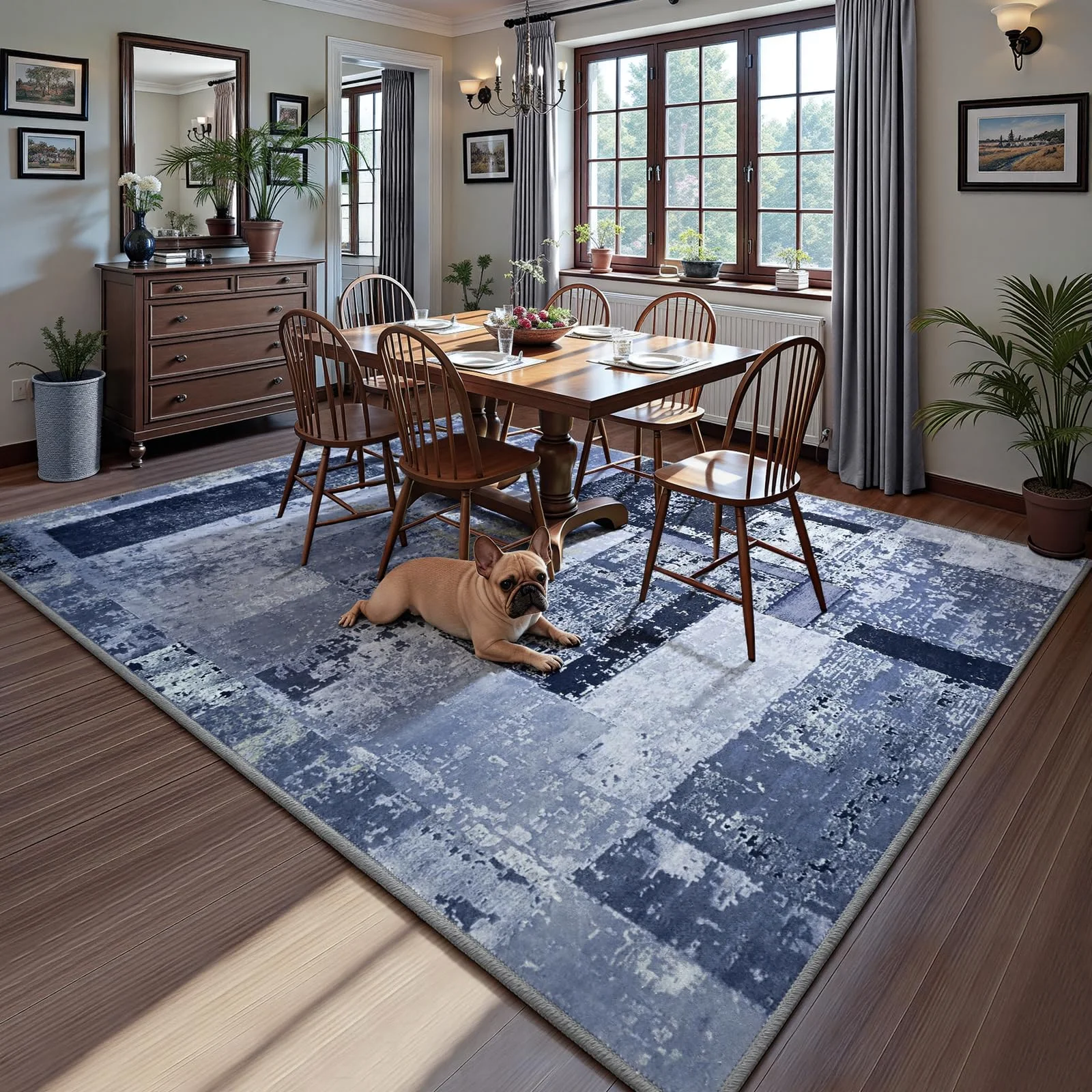
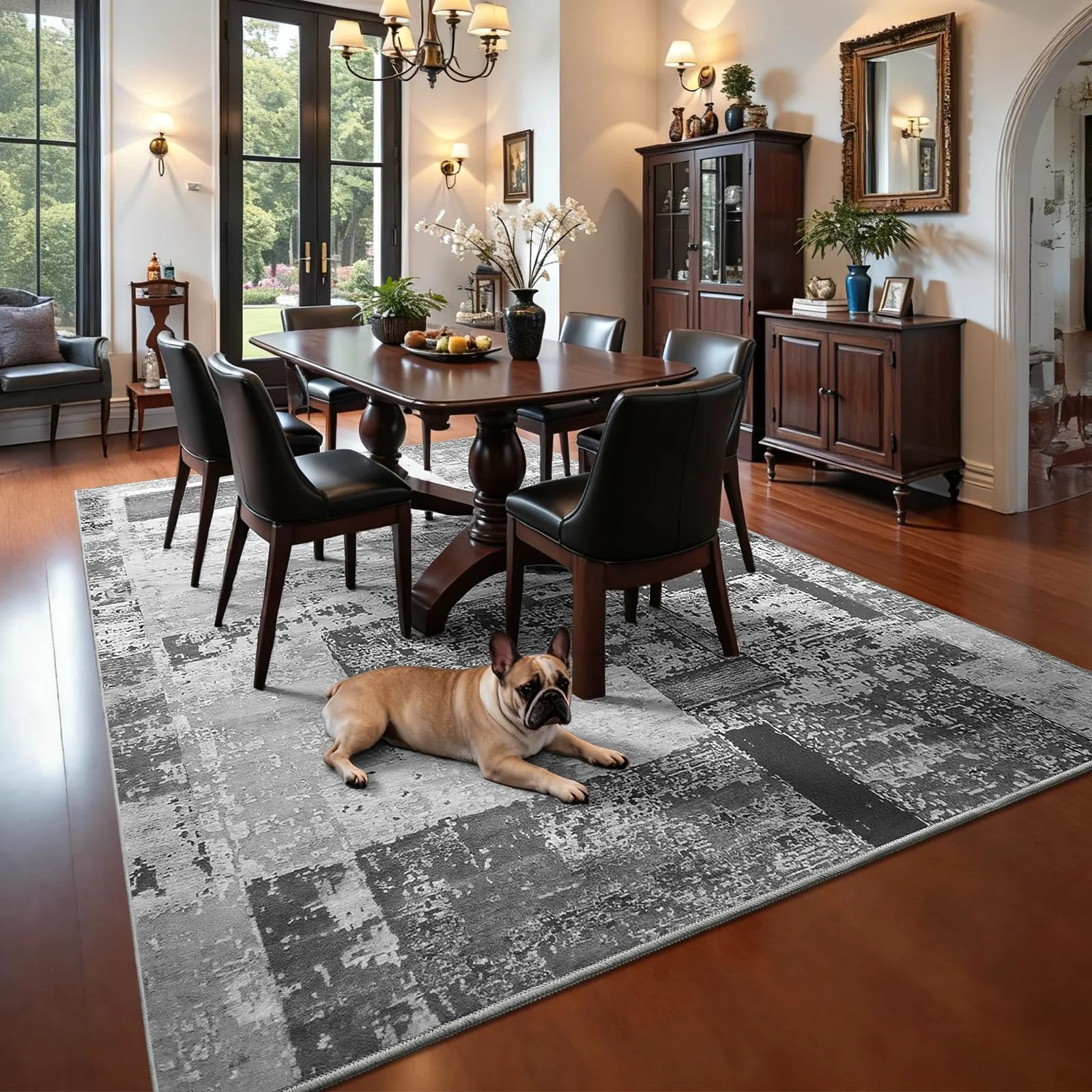
Low-pile washable rugs sized for a sofa group or a dining table.
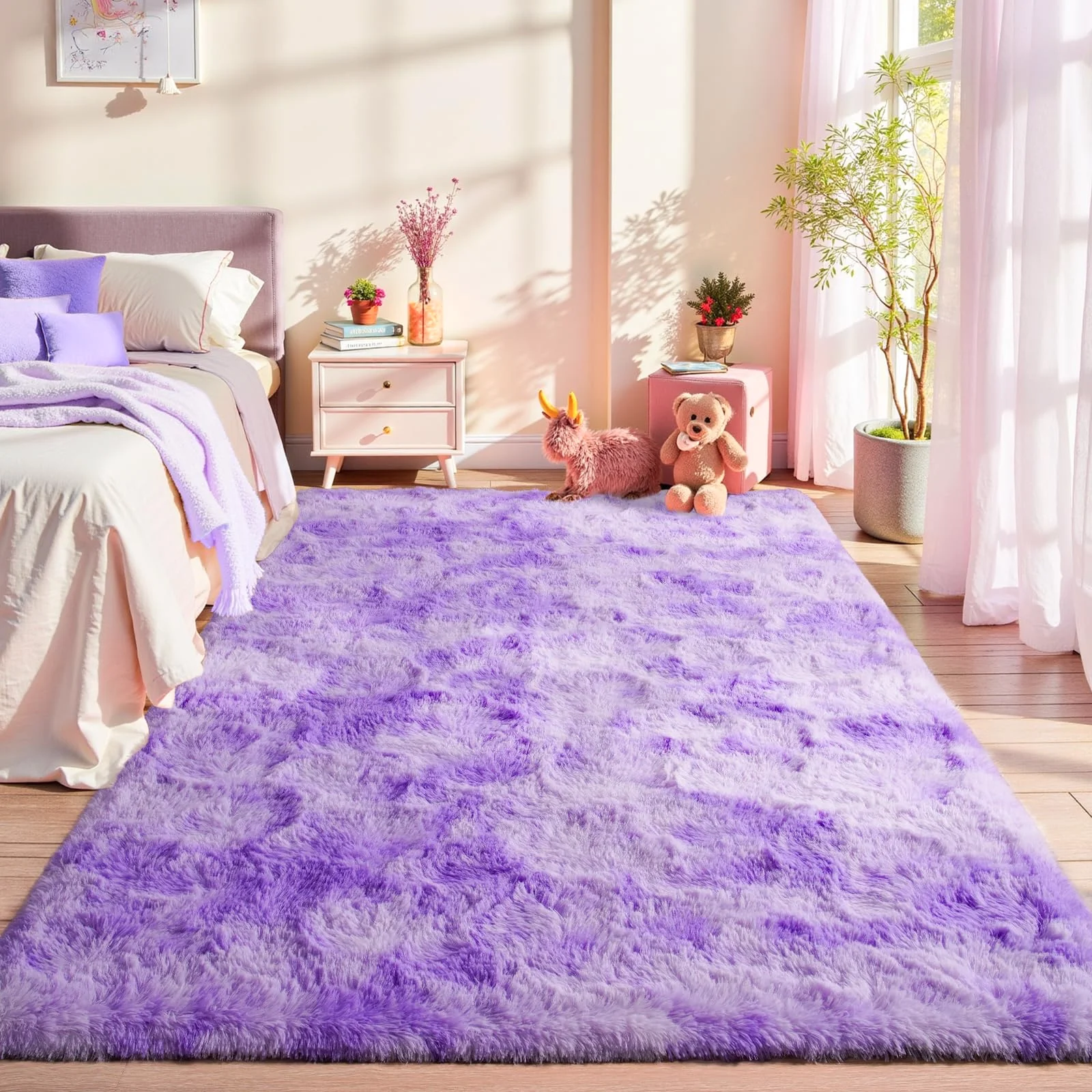
Striped rainbow rugs made for girls rooms, playrooms and reading corners.
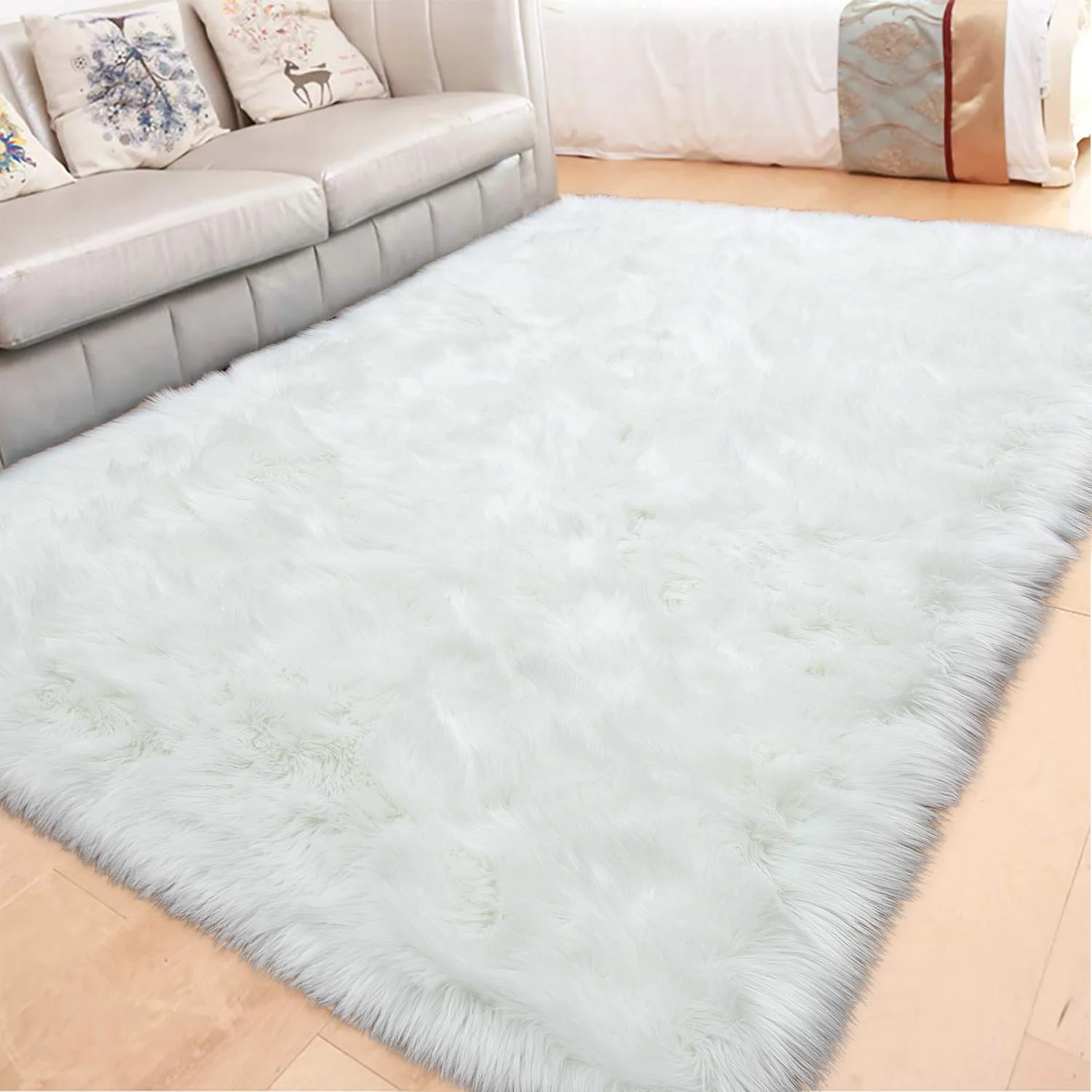
Faux fur and faux sheepskin rugs for a bedside, a chair or a nursery floor.
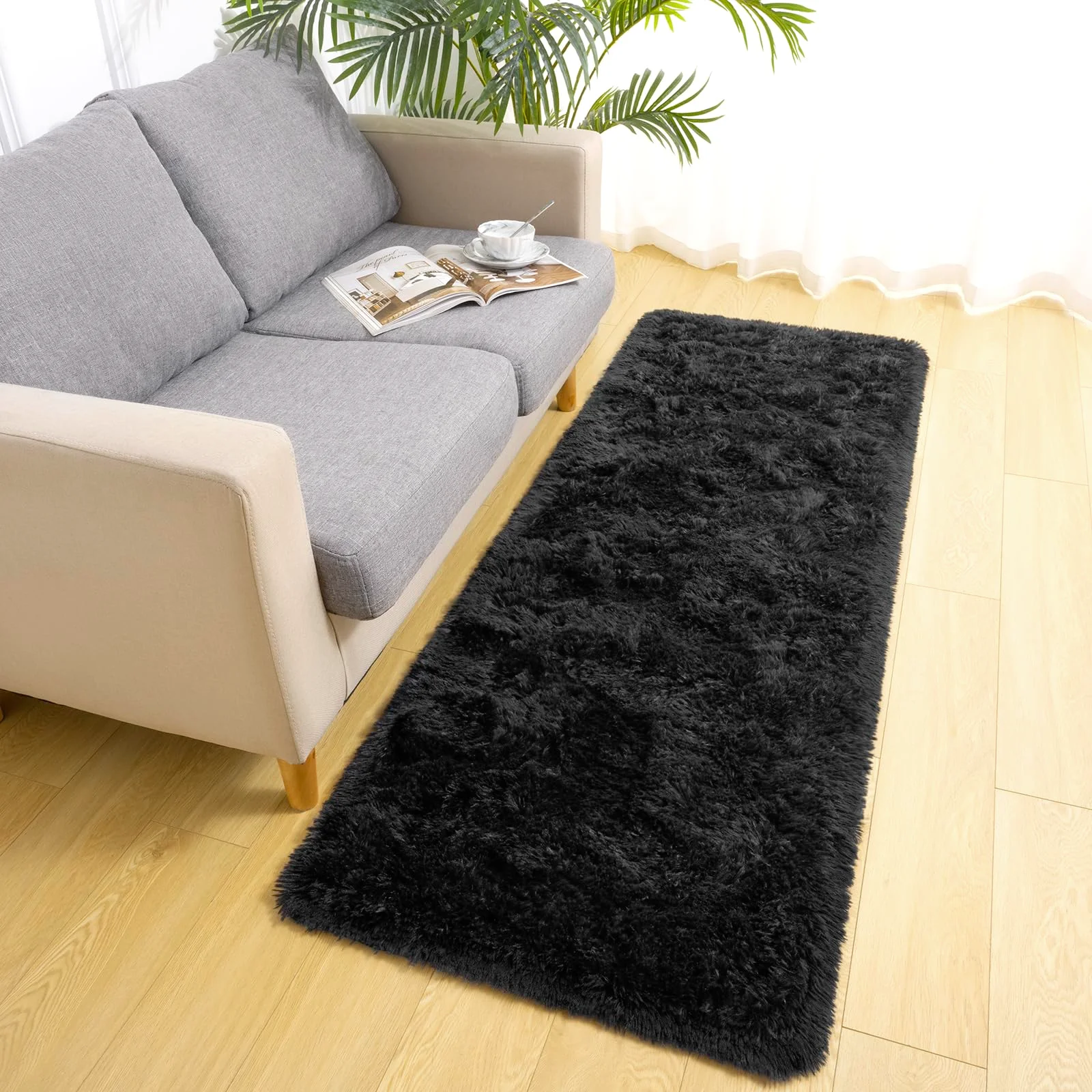
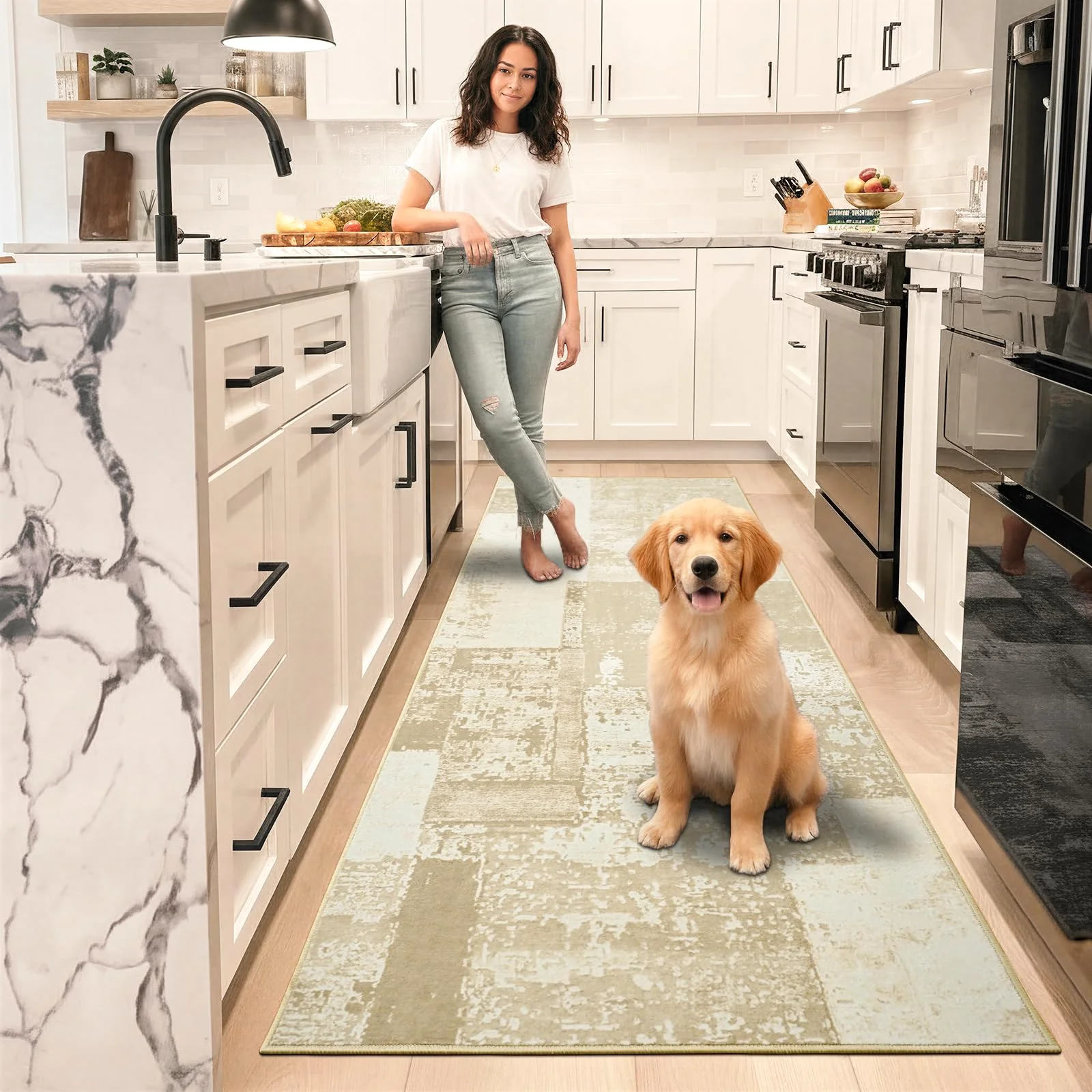
Runners for hallways, entryways and the strip beside a kitchen counter.
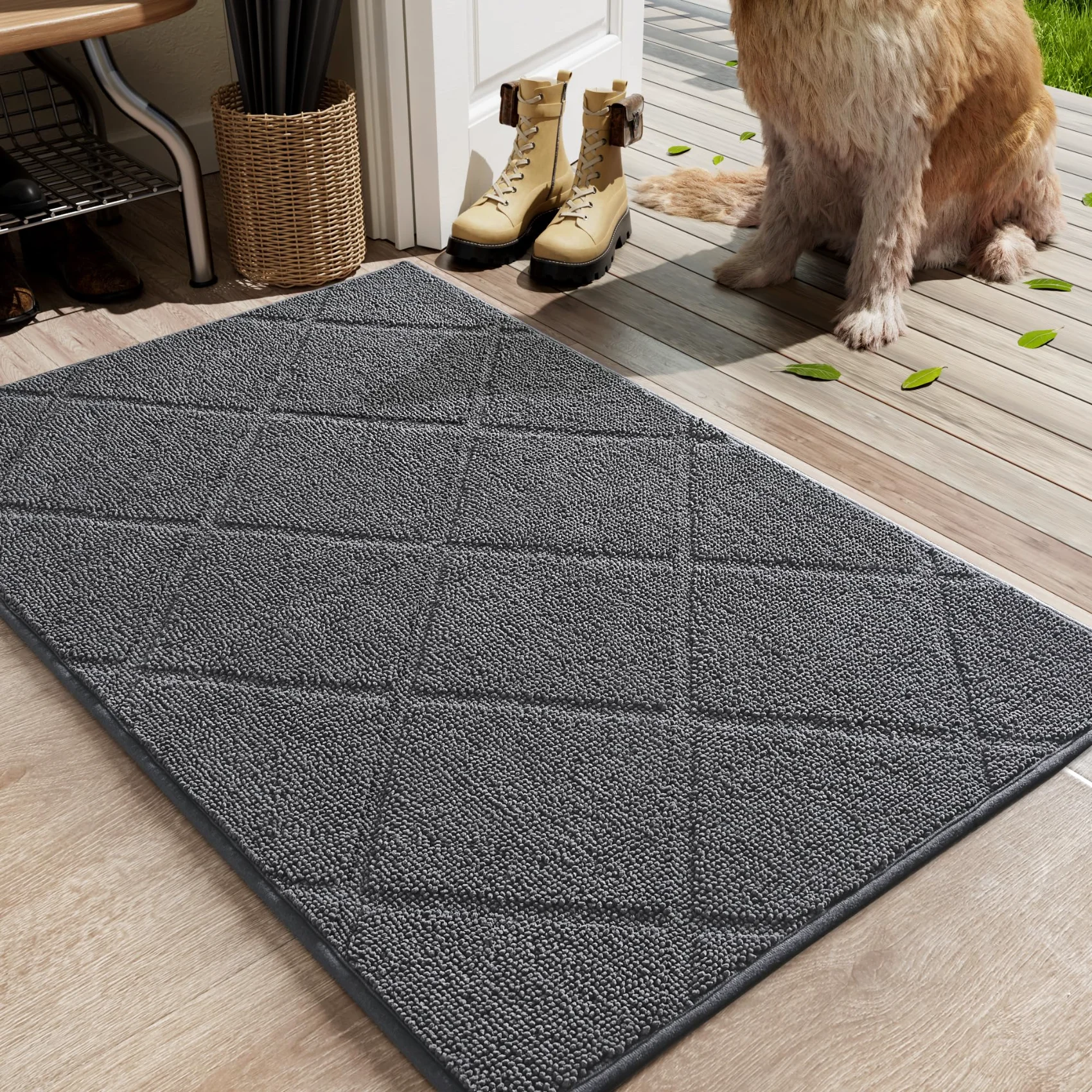
Chenille indoor door mats and entryway rugs that hold grit at the threshold.
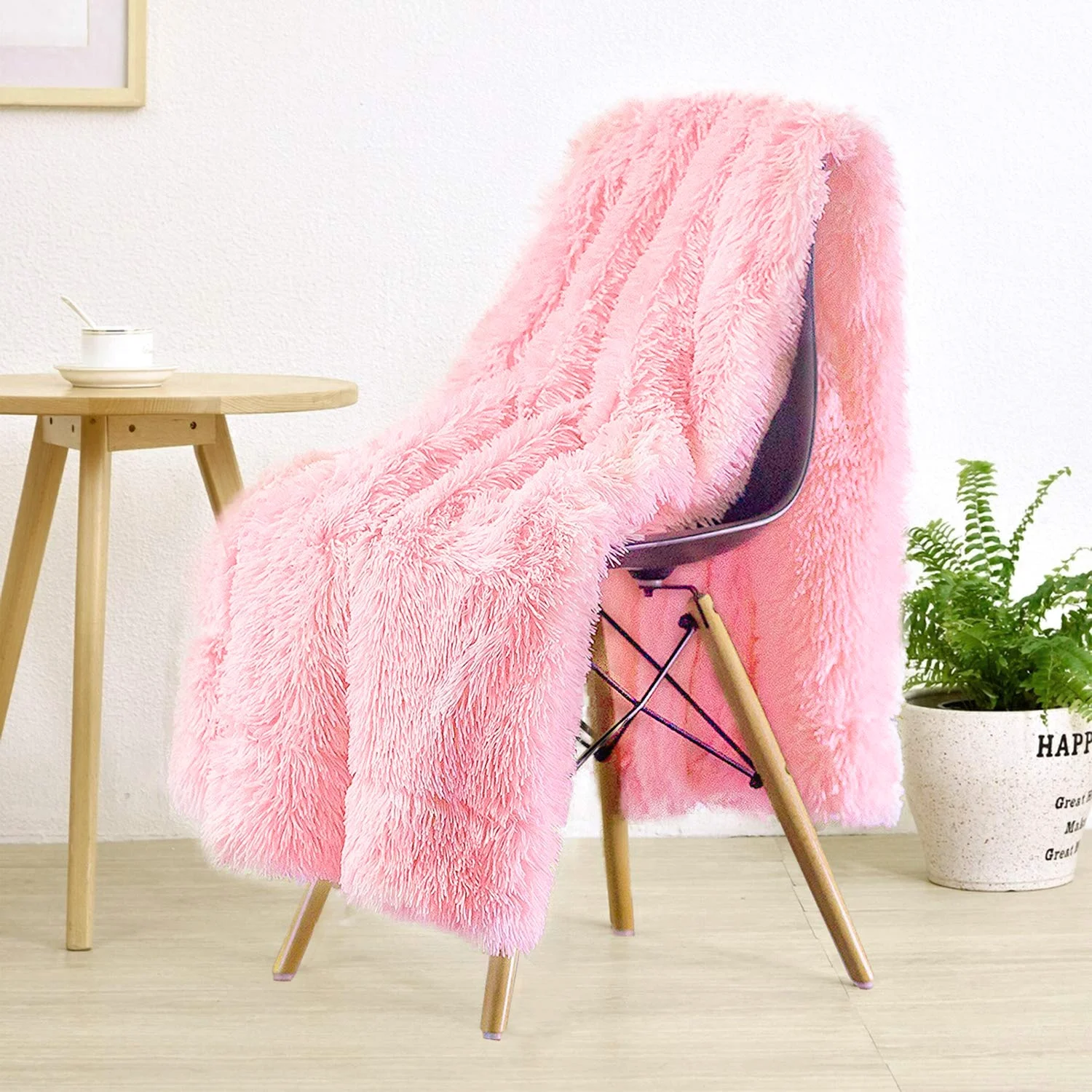
Faux fur throws and pet blankets cut from the same soft pile as our rugs.
Most asked for
One leader from every shelf, then the pieces with the deepest rating pools behind them. Every price here is the figure from our last update.
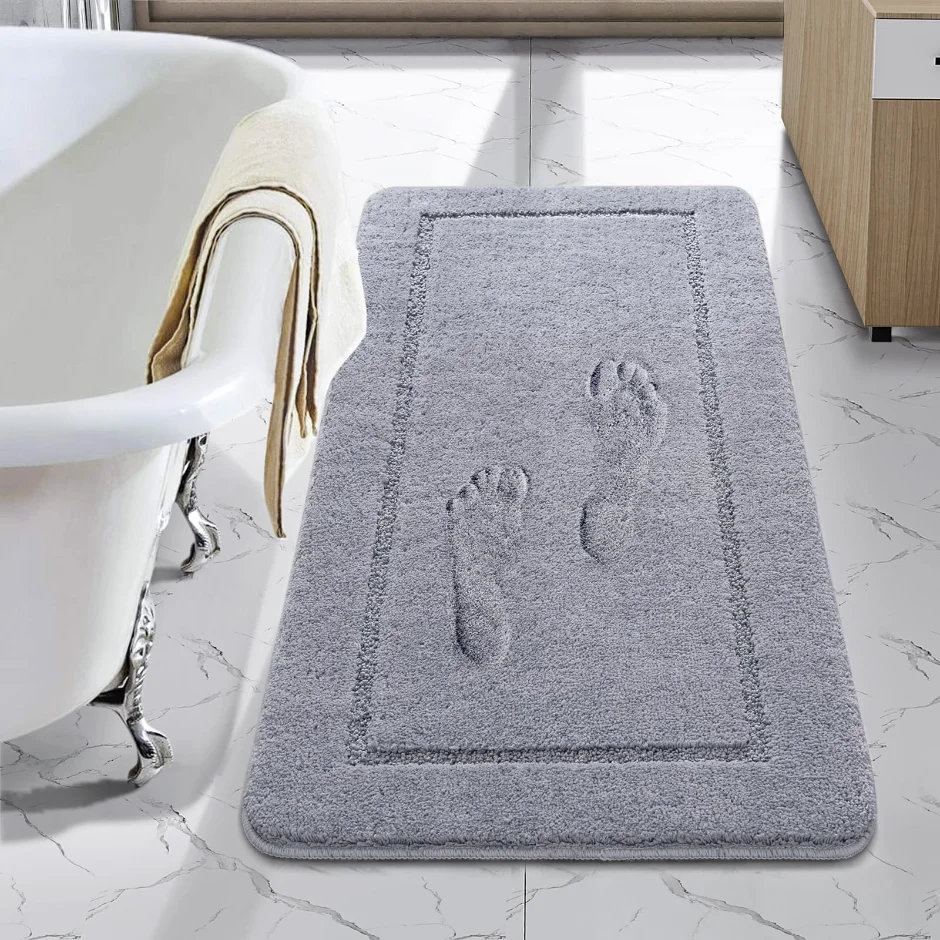
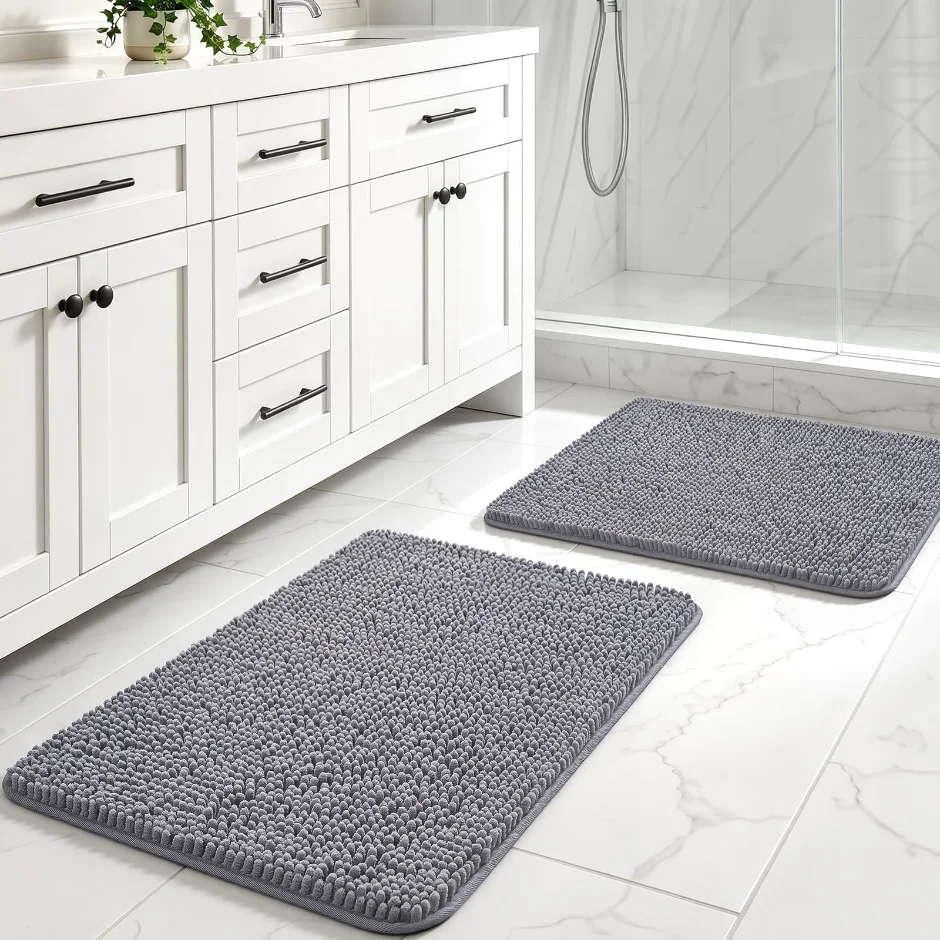
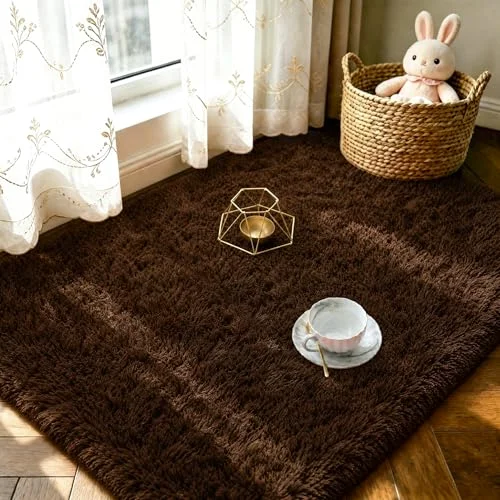
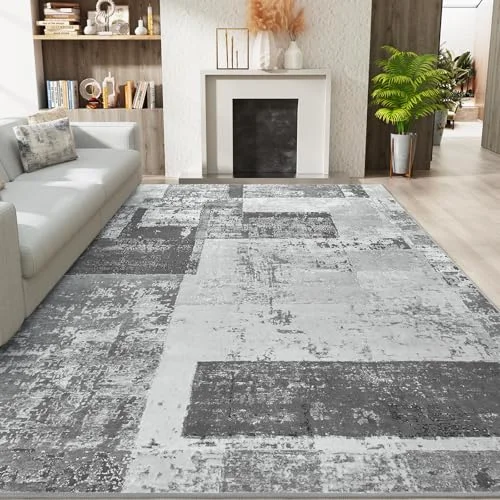
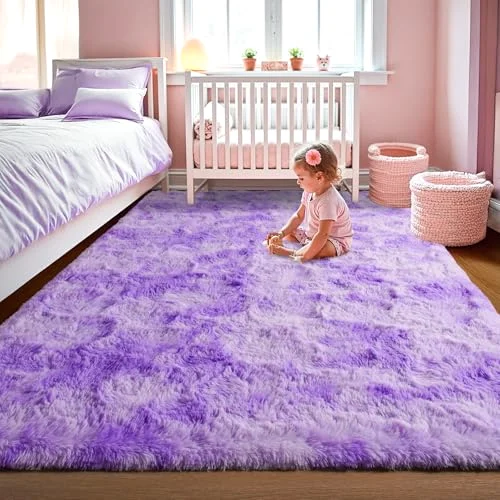
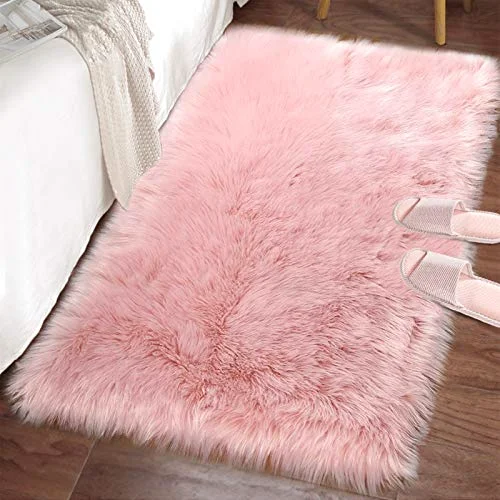
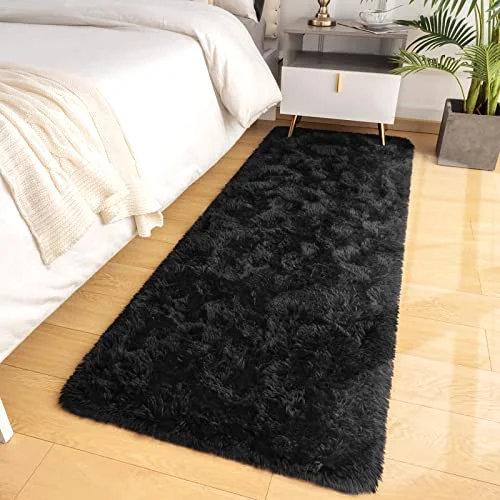
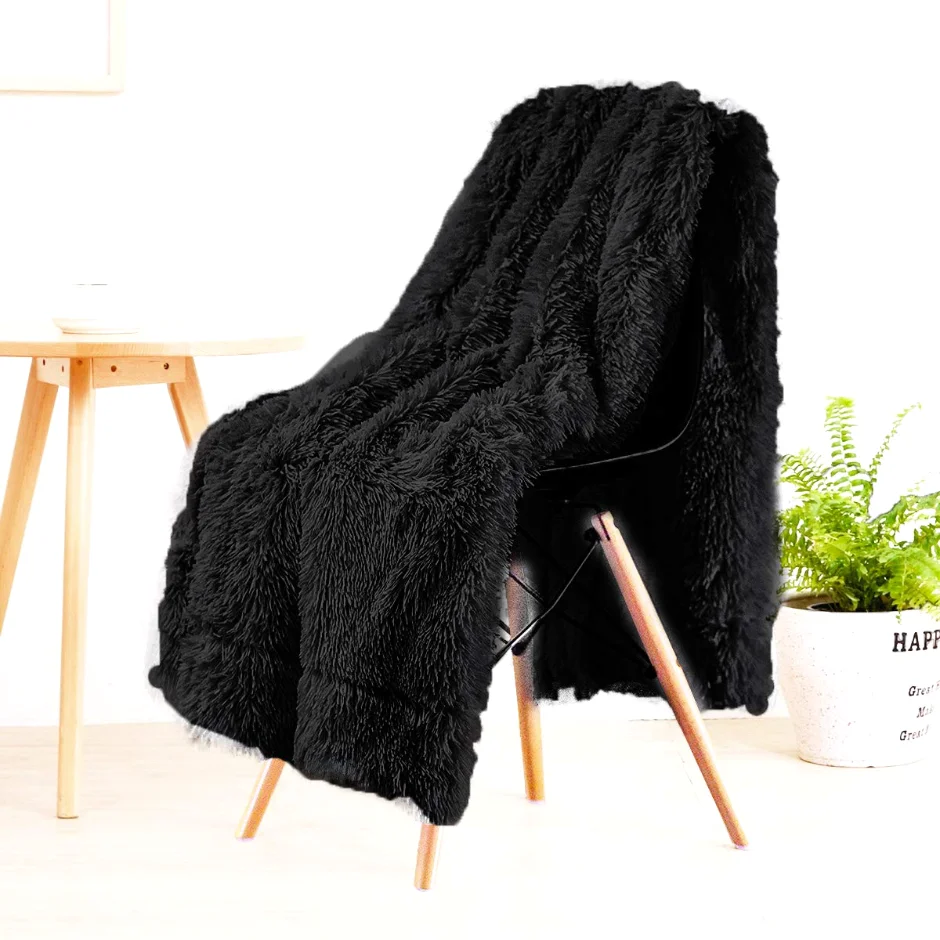
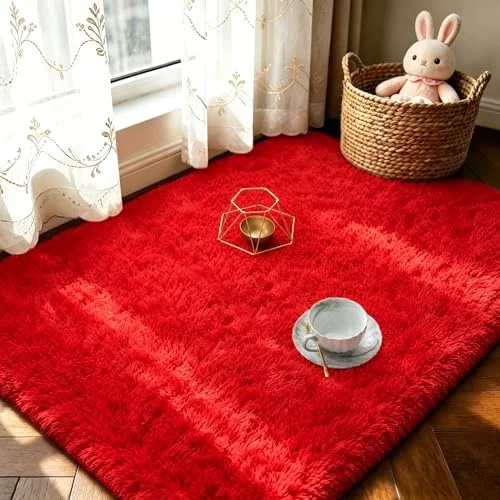
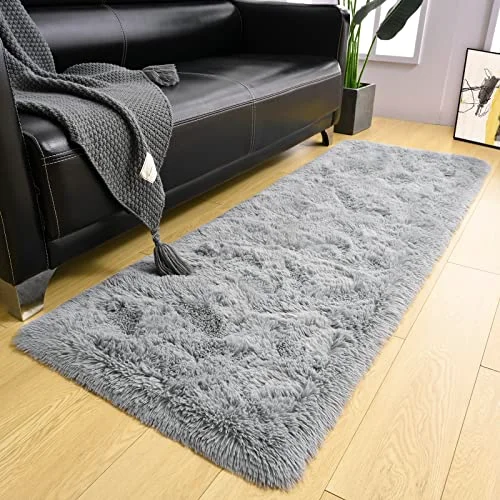
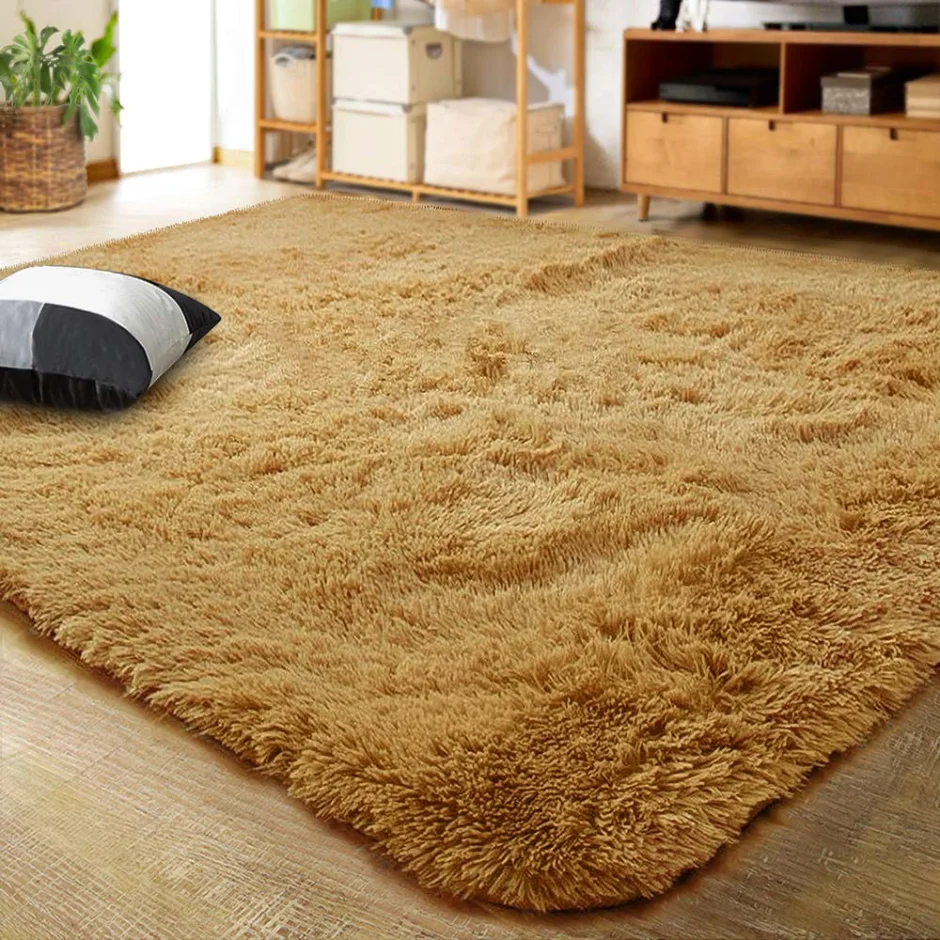
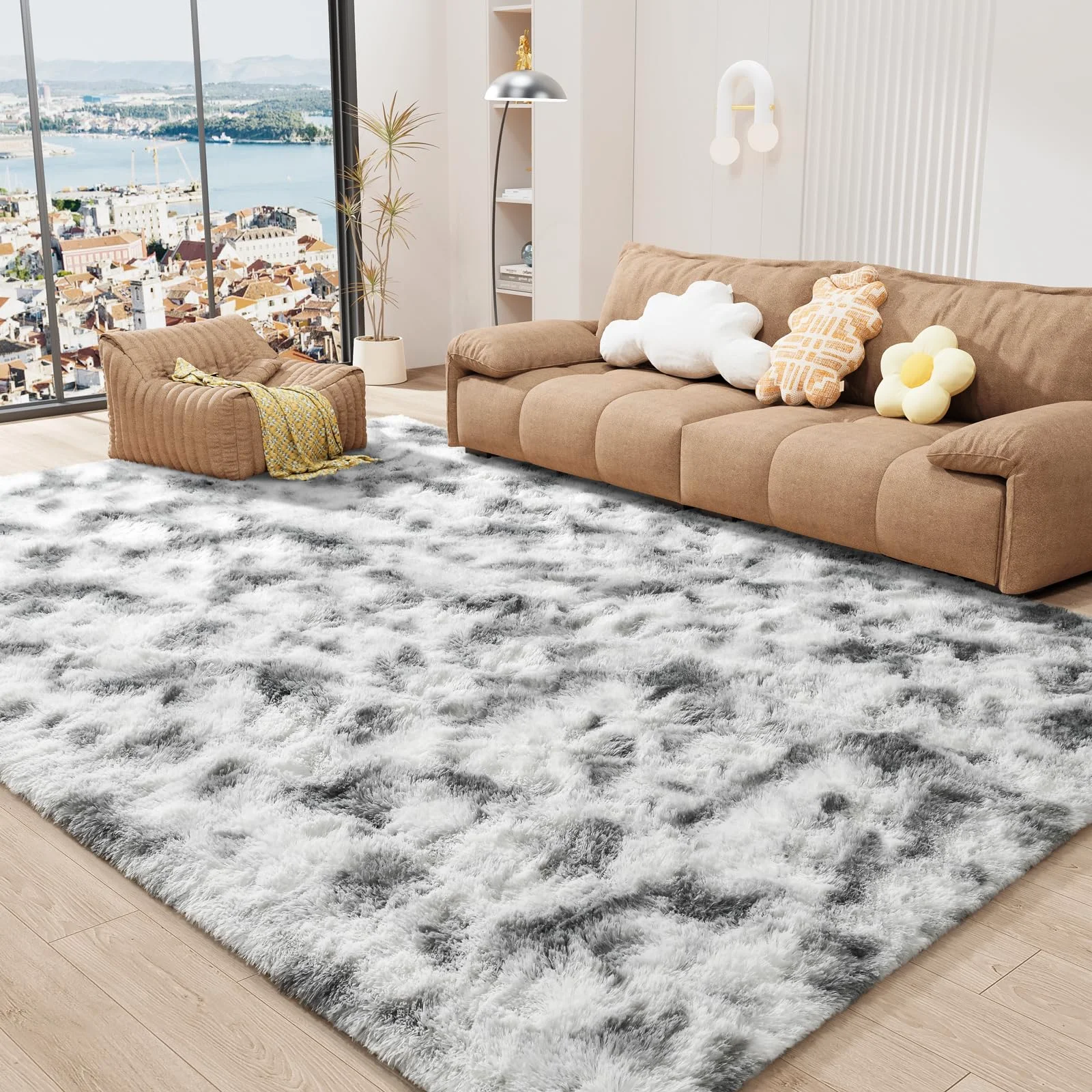
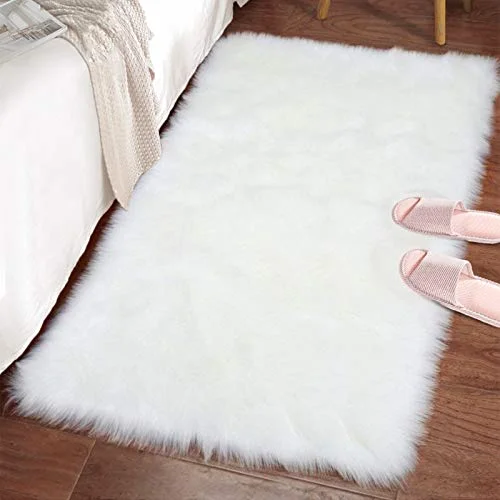
Make
A soft floor covering does quiet work all day. It takes a bare wet foot outside the shower and dries it before the foot reaches the door. It sits under a dining chair that gets pulled in and out a dozen times. It gets vacuumed, gets stepped on by a dog, gets splashed with bathwater. A year later the color and the pile are still right, or it has not done its job. That is what our materials and construction are built for.
Nothing we make relies on a single trick. The pile does the first job: water, warmth, the feel under a bare foot. The backing does the second, and keeps the whole thing still on tile or wood. The edges do the third, holding the pile in place when a vacuum head or a chair leg tests the boundary. Every piece is machine washable because a floor covering that cannot go in the wash is a floor covering that gets thrown away too soon.
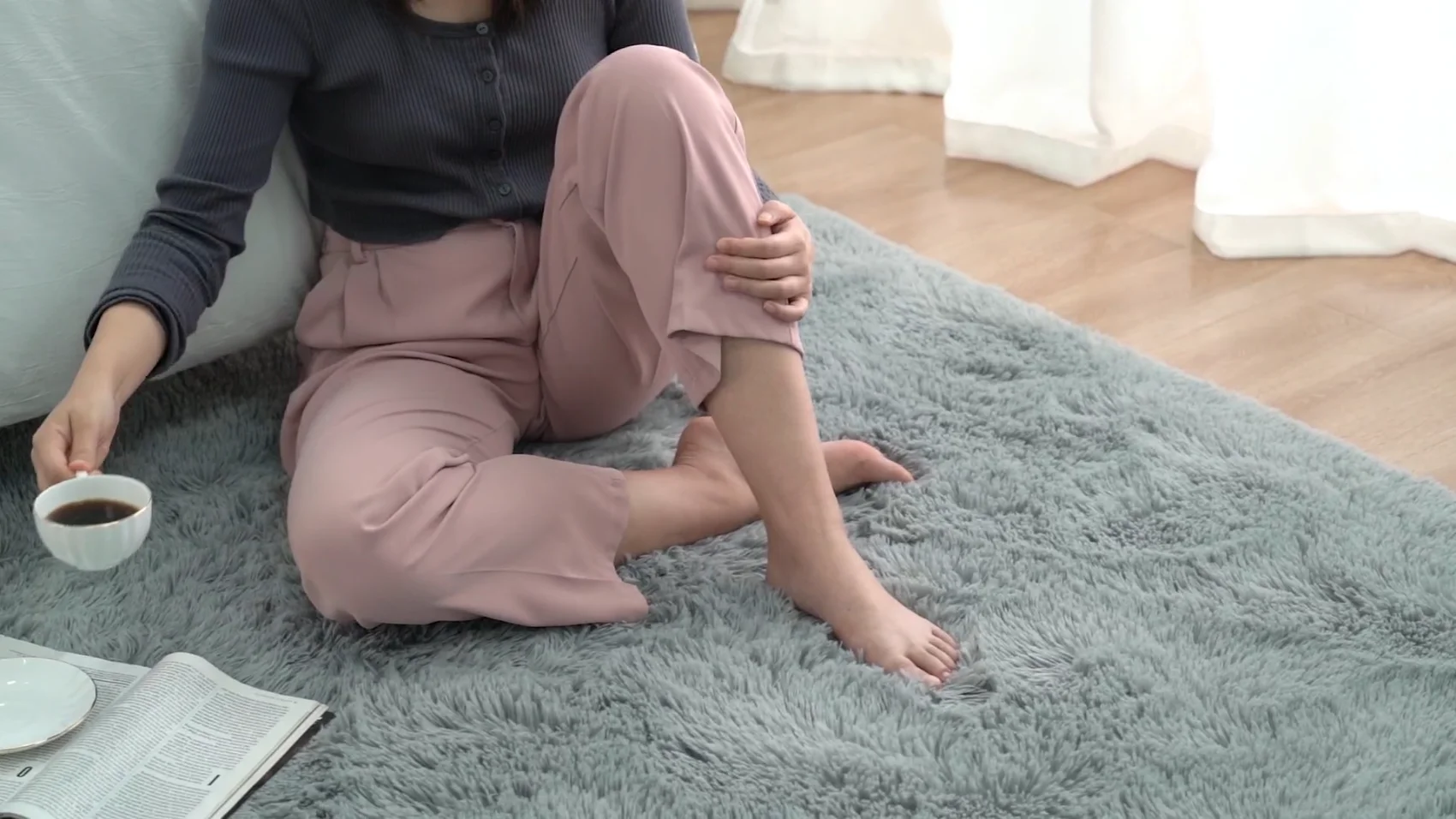
Thousands of small compact microfiber tufts stand upright across the surface. Water moves off a wet foot into the pile in one to two seconds and passes down to the backing rather than sitting on top. What the foot feels is dry, warm and soft, not a cold puddle slowly soaking through.
A solid sheet of TPR rubber is bonded across the entire underside of every bath mat and runner. On tile or vinyl it holds the piece still under a shifting foot. It stays bonded through the wash cycle and the dryer on low, so the mat goes back on the floor and stays put.
Our deepest shag pile reaches 1.77 inches, with a memory foam interlayer on some lines that cushions a step and then recovers. Underneath, thousands of rubber grip dots hold the rug in place while letting the floor breathe. Less trapped moisture than a solid rubber sheet, and the same steady grip on hardwood or tile.
The border is where a shag rug gets tested first. A vacuum head catches a loose tuft, a foot scuffs the corner, and the edge begins to fray. We wrap and stitch the edges on our shag rugs so the pile is secured right to the perimeter. No loose fibers at the seam, no slow unravel over months of use.
Our washable printed rugs carry a pile about two tenths of an inch high. That is low enough for a dining chair leg to slide across without catching, and low enough that a robot vacuum passes over the surface without stalling. The pattern is printed into the pile, and the whole rug goes into the washing machine when it needs a refresh.
On film
Our own film for the fluffy shag line: the rug going down in a living room, the pile under a vacuum head, the dotted backing turned over, and the same rug in a bedroom and a children's room.
In rooms
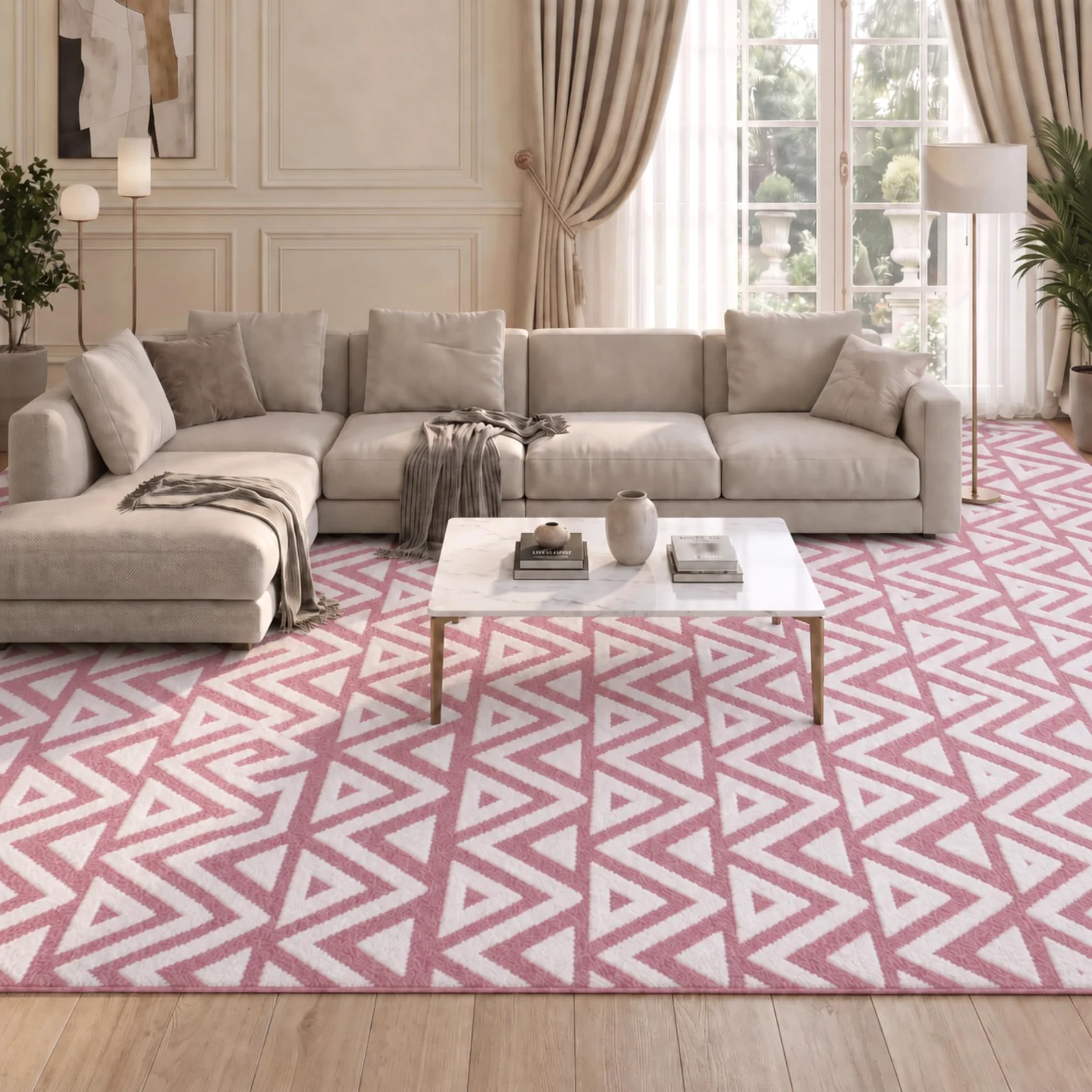
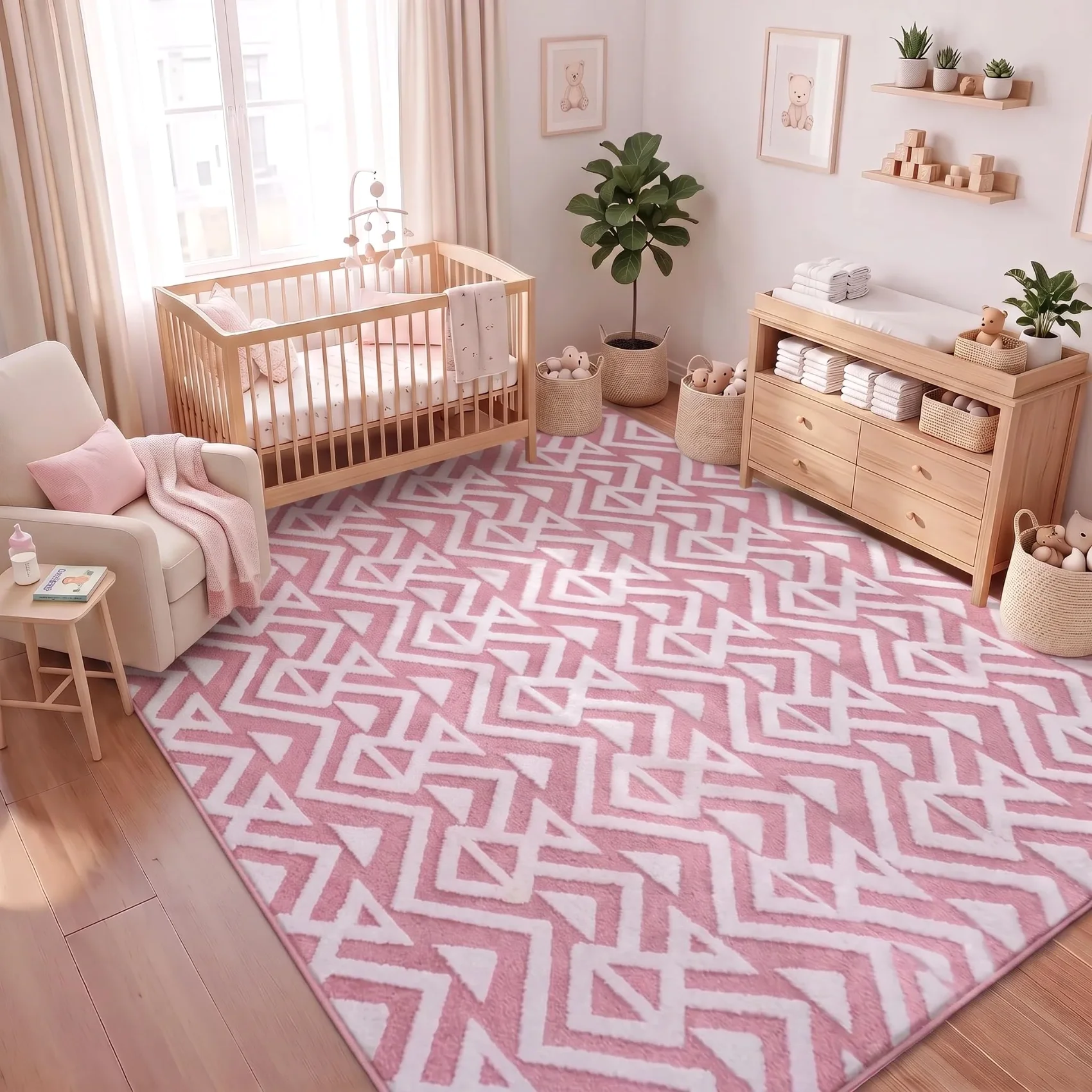
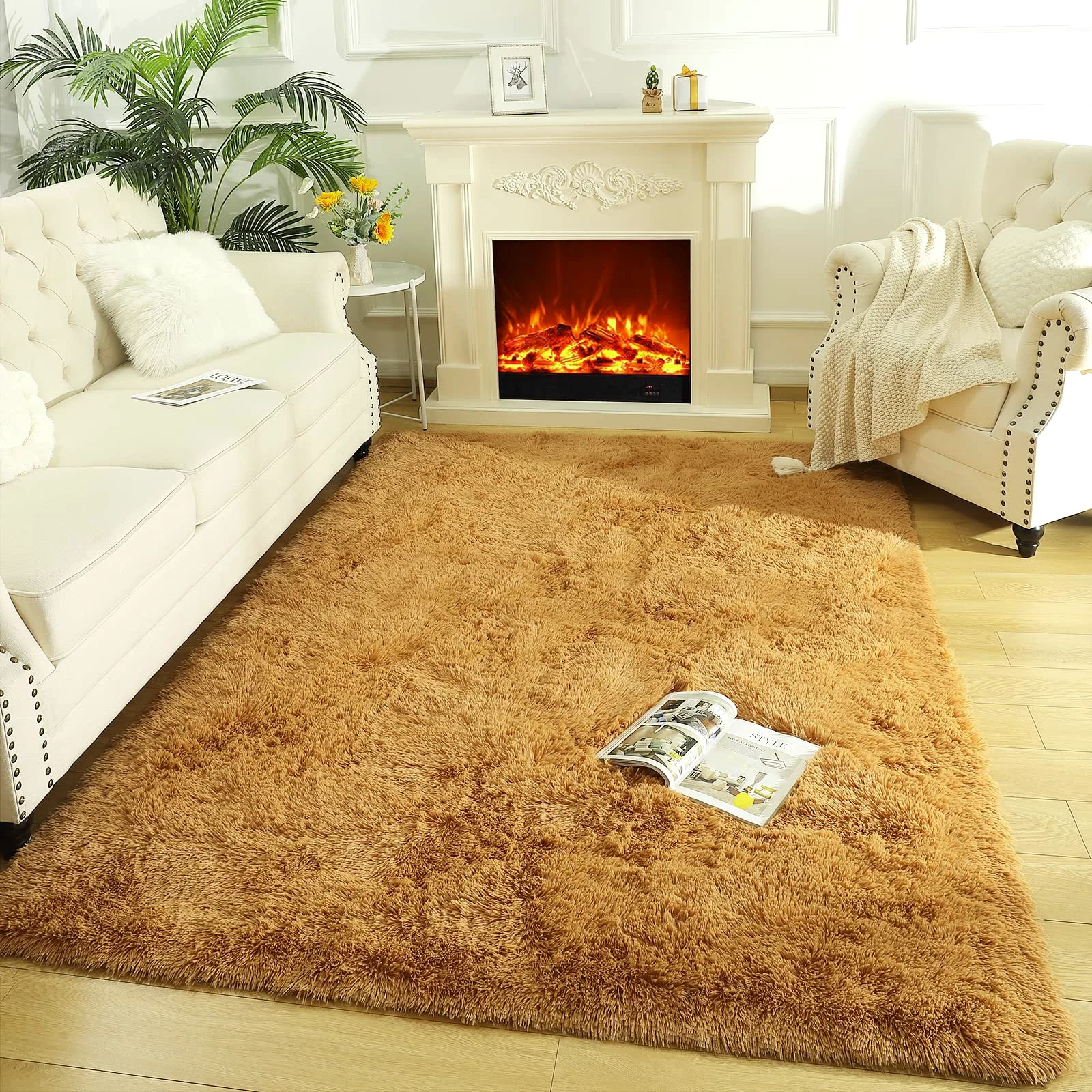
Photographs of the pieces on this page, in the rooms they were made for. Colors are shown as they were shot, and a deep pile always reads a shade darker in a north facing room.
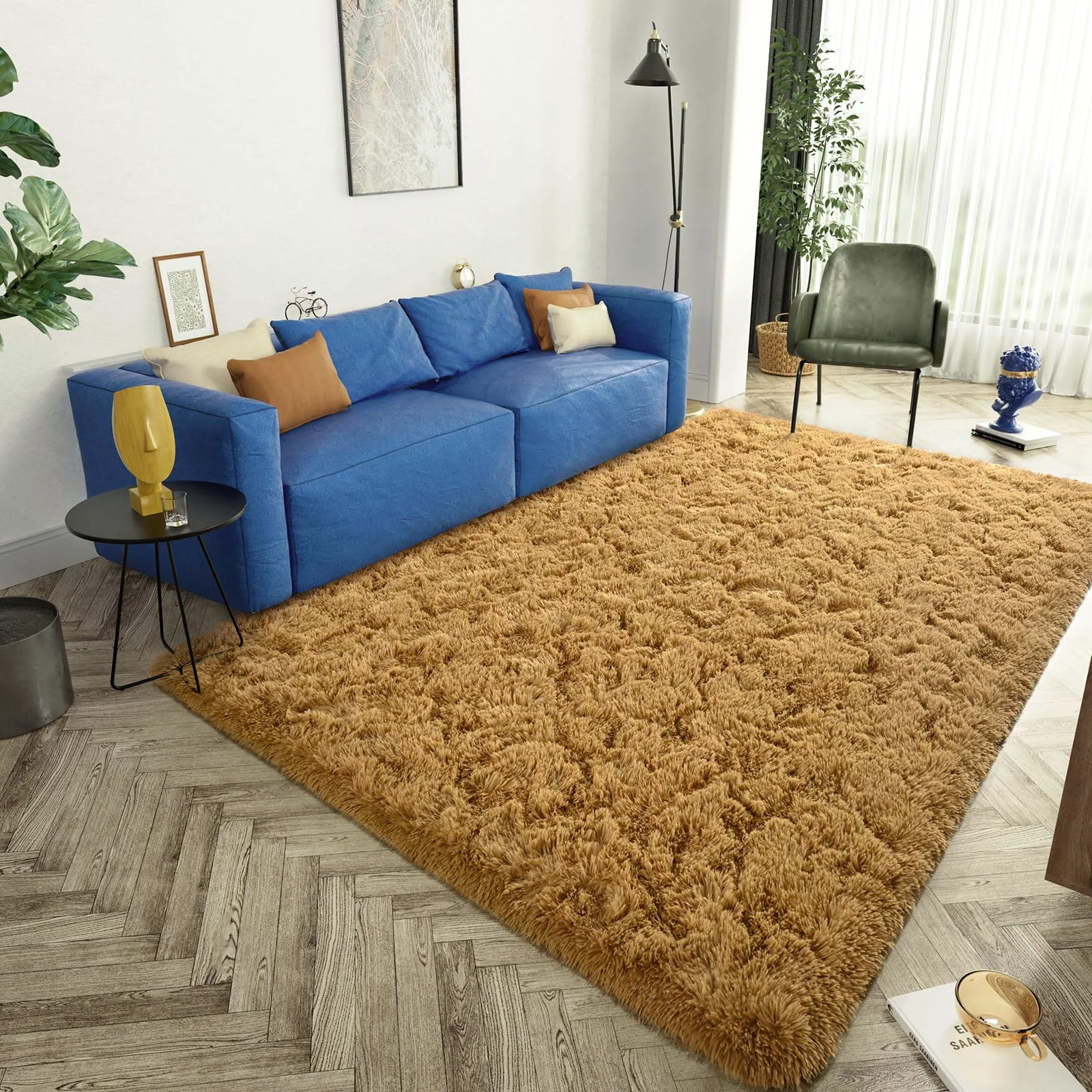
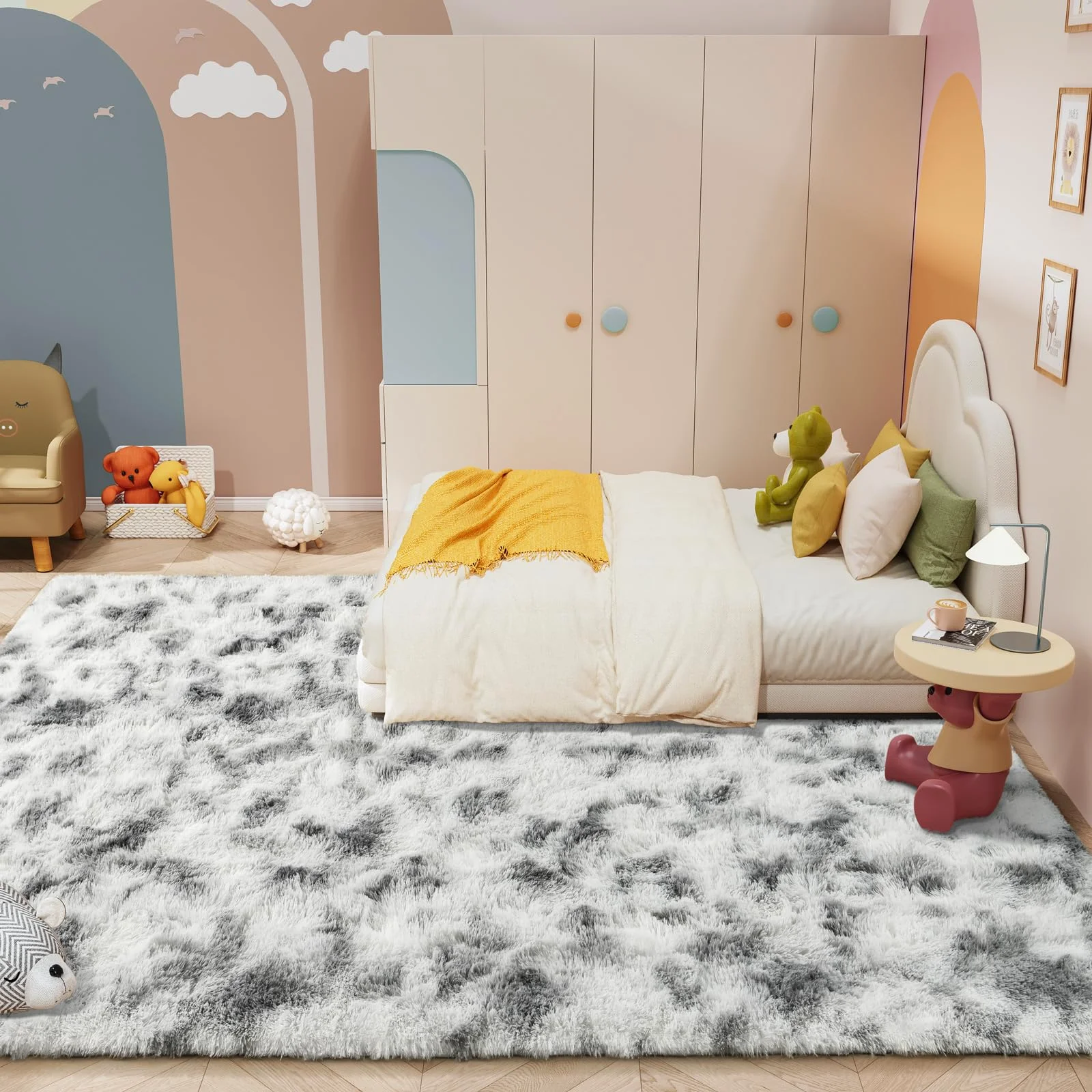
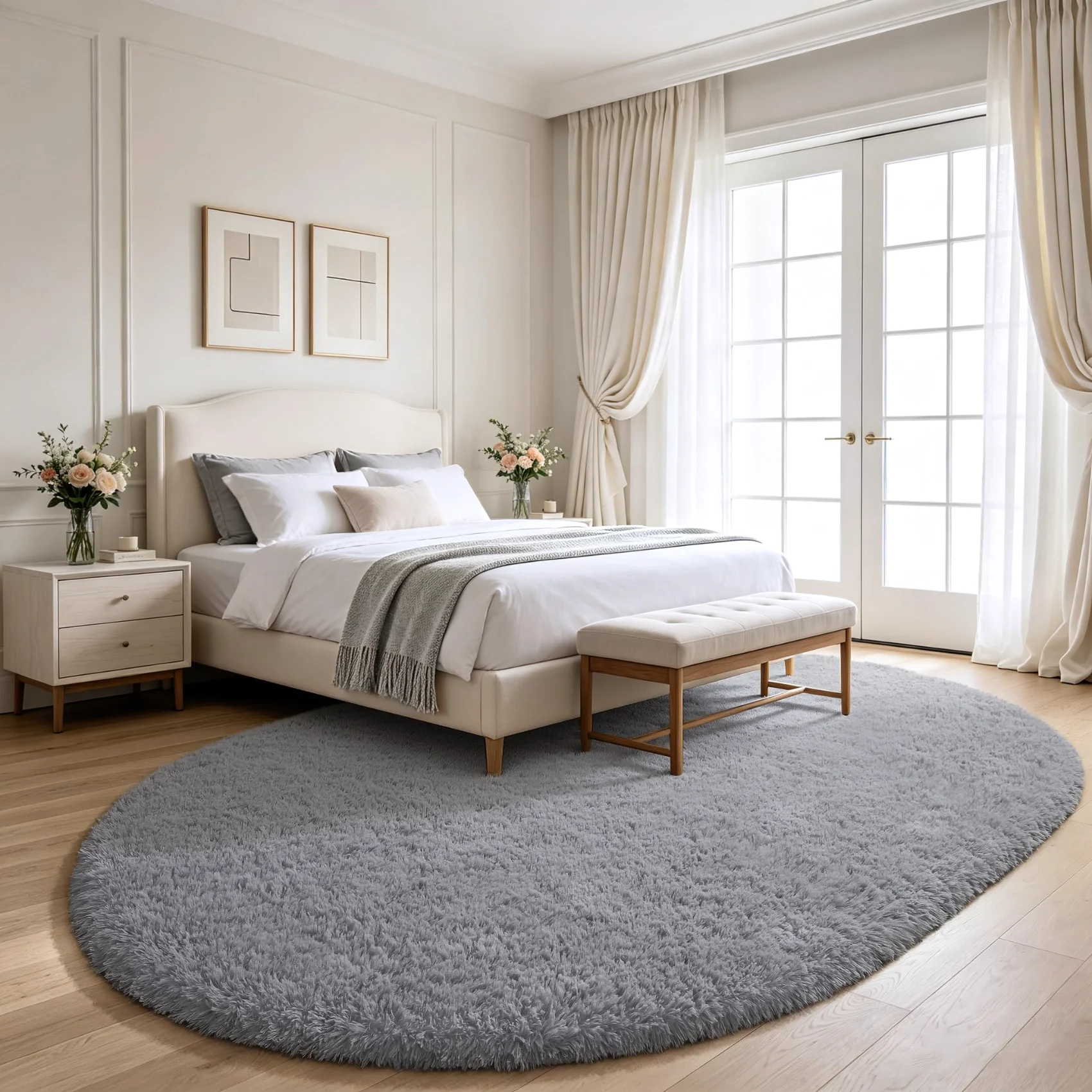
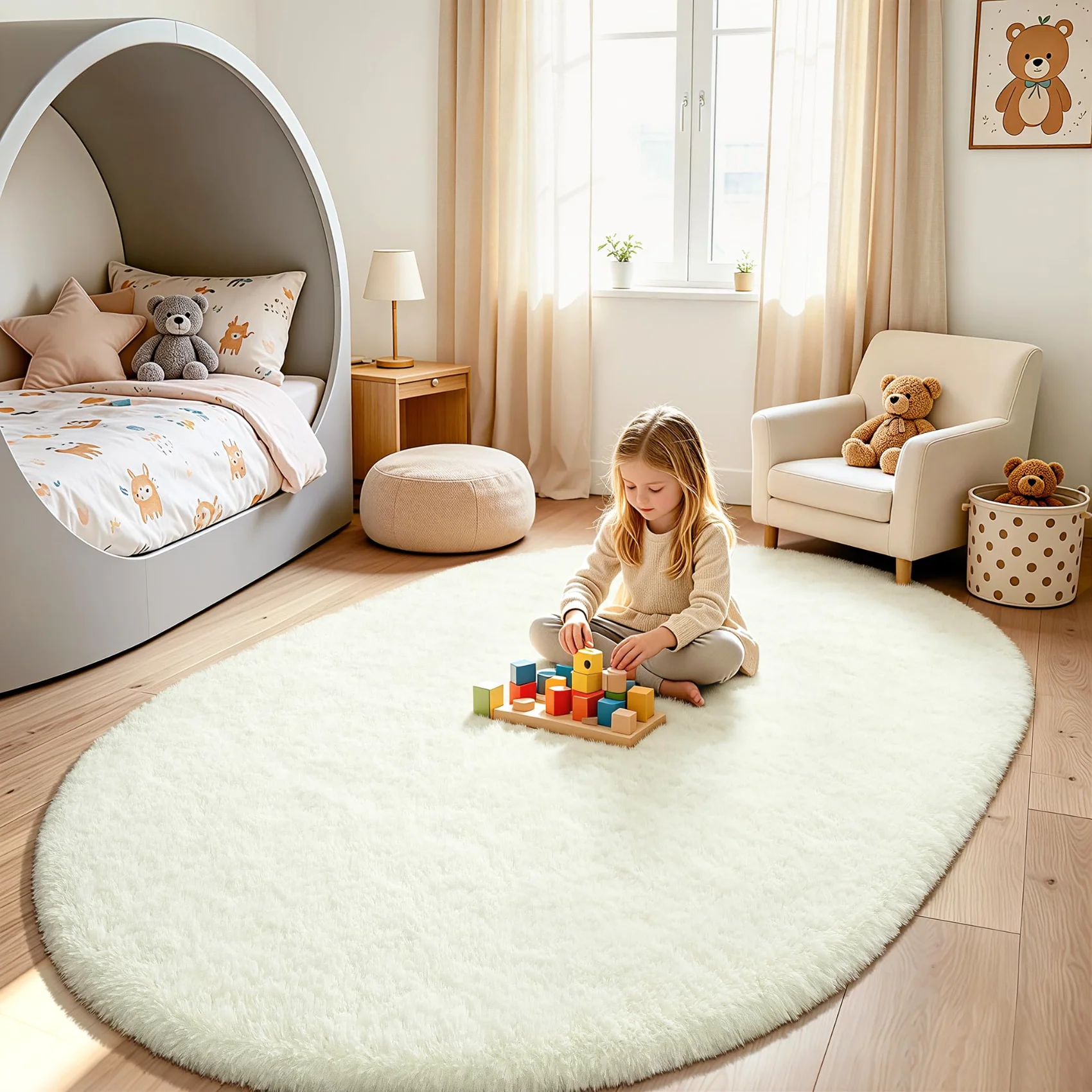
Worth knowing
A rug is bought once and lived with for years. The two things most people get wrong are size and drying. Get those right and you’ll have a floor covering that feels like it belongs, not one you’re always tugging into place or airing out.
Tell us your room’s width, length, and purpose, and we’ll pick a size from our range. We leave a margin of bare floor: wider in a dining room where chairs pull out, narrower in a living room where the rug anchors the seating. The result is a rug that fits the room and how you live in it.
13 × 17 ft
Sizes offered are the ones we actually make, from 18 rectangles and ovals.
Tell us which pile you have, how wet it got, and what kind of air your bathroom has, and we’ll give you a drying time. A mat that never fully dries is the one that goes sour. A windowless bathroom with no fan is the hard case. But even there, the right pile makes the difference between a mat that stays fresh and one that doesn’t.
4 hours
Working estimates from our own pile depths and ordinary bathroom air, not a measurement of your room.
We’ve mapped how our colors hold up in different light. You can see which ones keep their warmth in a north-facing room or resist fading under strong sun. A cool gray turns flat in low light. Deep pile bleaches unevenly under direct sun. A two-tone tuft hides footprints that a flat color shows. The color that works in your room is the one that works in your light.
Read the row for the color you are considering, then the column for the room it will live in.
| Color family | In north light | In strong sun | Traffic | Where it works best |
|---|---|---|---|---|
| Gray and black | Goes flat and slightly blue | Holds its tone | Shows lint, hides crumbs | Tie-dyed gray instead of flat gray |
| Cream and ivory | Warms up, reads soft | Can look washed out at midday | Shows everything | A room without outdoor shoes |
| Sage and hunter green | Deepens, reads restful | Slight yellowing over years | Good at hiding dust | North facing sitting rooms |
| Navy and cobalt | Reads almost black | Strong and stable | Shows pale lint | South facing rooms with light floors |
| Pink and blush | Turns cool and dusty | Fades fastest of our colors | Middling | Bedrooms and nurseries away from direct sun |
| Khaki and brown | Reads warm all day | Very stable | Best at hiding traffic | Hallways and family rooms |
| Tie-dyed and rainbow | Two tones keep depth | Top of the pile lightens first | Hides a fortnight of footprints | Children’s rooms and busy floors |
Behaviour of color under light is a property of the dye and the pile depth, not a measured figure. These are the patterns we see across our own range.
Trade-offs
Deep pile feels warm and quiet underfoot. It holds a footprint for a moment, then lets the pile recover. That softness asks for more care. You vacuum it lightly or wash it less often, and you keep it away from dining chairs. Low pile reverses the bargain. It handles chair legs and daily traffic without much thought, but it feels cooler and firmer and shows marks more readily.
Bath pieces have a different test. The question is not only how the pile feels but how fast it gives water back. A dense chenille tuft pulls water off a foot and passes it down to the backing. Memory foam and cotton each miss part of that job, one by holding moisture at the surface and one by drying slowly. Choose by the room and the morning routine.
Dense chenille tufts pull water off a foot in one to two seconds and send it down toward the backing. TPR rubber covers the whole underside, so the mat stays put on tile. Machine wash and tumble dry low, and it is back down the same day. What it trades away is cushioning. It dries fast rather than feeling deep.
Memory foam feels soft and cushioned underfoot. The top layer is usually a thin velvet that holds water at the surface rather than passing it down. The foam core then dries slowly, especially in a bathroom with weak airflow. It is comfortable for standing, but it asks for more time to dry.
Cotton bath rugs launder well and last through plenty of washes. They absorb a lot of water, which makes them feel substantial underfoot. The tradeoff is drying time. A cotton pile of the same size holds moisture longer than chenille. Many are sold without a bonded backing, so they tend to move on tile.
Our shag and fluffy rugs are warm and quiet underfoot. Pile runs up to 1.77 inches, some lines add a memory foam interlayer, and the backing uses rubber grip dots rather than a solid sheet. That depth hides footmarks and softens a bedroom floor. It is not the rug for under a dining chair, and deep pile needs light vacuuming.
Flat woven printed rugs are thin and inexpensive, and they make life easy. A chair leg passes over them, a vacuum glides across, and they work well under a dining table. The tradeoff is comfort. They feel cold and firm underfoot, and a printed pattern shows every mark because there is no pile depth to absorb it.
| Our chenille | Our microfiber | Cotton bath rug | Memory foam mat | |
|---|---|---|---|---|
| Water off a foot | 1 to 2 seconds | 2 to 4 seconds | 3 to 6 seconds | Holds at the surface |
| Dry time, ordinary bathroom | 3 to 5 hours | 3 to 4 hours | 6 to 10 hours | 8 to 14 hours |
| Backing | TPR rubber, bonded across the underside | Rubber, varies by maker | Often none | Rubber sheet, varies |
| Machine wash | Yes, tumble low or hang | Yes | Yes, hot tolerant | Usually yes, slow to dry through |
| Underfoot | Dense and springy | Flat and soft | Soft, gets heavy wet | Cushioned, sinks |
| Price in our range | $10.79 to $72.99 | $12.58 to $44.99 | Not a line we make | Not a line we make |
Drying times are working estimates for an ordinary bathroom, from our own pile depths. Cotton and memory foam are shown because they are the two materials people compare ours against, and neither is a line we make.
Standards
The U.S. Consumer Product Safety Commission sets surface flammability standards for carpets and rugs under the Flammable Fabrics Act. The correct standard is determined by the size of the piece, not by the brand or the room it is meant for. These standards apply to carpets and rugs sold in the United States.
That line runs through our range. Small bath mats and 2 by 3 ft rugs fall under the small carpet standard in 16 C.F.R. part 1631. Larger pieces, including 6 by 9 ft rugs and up, fall under 16 C.F.R. part 1630, which covers pieces with one dimension greater than 6 ft and a surface area greater than 24 sq ft. Both standards measure surface flammability against a small ignition source.
The two standards are 16 C.F.R. part 1630 and 16 C.F.R. part 1631. Part 1630 covers pieces with one dimension over 6 ft and area over 24 sq ft. Part 1631 covers small rugs with no dimension over 6 ft and no area over 24 sq ft. Both measure surface flammability against a small ignition source. A 2 by 3 ft rug falls under part 1631, and a 6 by 9 ft rug falls under part 1630.
The CDC reports about 300,000 hip fracture hospitalizations a year from falls among older U.S. adults. Its advice includes removing tripping hazards, adding grab bars in the bathroom, stair railings, and more light. A rug is a thing on the floor. A bath mat with a bonded rubber backing is steadier than a loose towel, but no backing makes a piece safe on a wet, dusty or polished floor. Our care note says lay it on a clean dry floor.
You can check a lot without a lab. Look at the underside. A backing bonded across the whole surface differs from one printed in thin strips, and the bond helps keep a bath piece in place on tile. Run a thumb over the edge. A bound, stitched edge should not shed. Press the pile with a thumb and watch whether it springs back. Read the care label to see whether the piece can be machine washed.
The brand
How the range grew out of one bath mat, and what decides the pile, the backing and the color of every piece we make.
Most of the things we make started because someone walked out of a bathroom with wet feet. Not a metaphor. The first piece we really studied, the one that shaped the rest of the range, was a chenille bath mat in a size that fits in front of a standard tub. Seventeen by twenty-four inches, dense little tufts of microfiber, a backing that stayed put on tile. It sold. It kept selling. It is still the piece the rest of the bathroom range is measured against. That told us something: the bathroom is where a soft floor covering has to work hardest, and it is where most people notice whether it works or not.
Everything else in the bathroom grew outward from that one mat. A long runner for a double vanity, twenty-four by sixty inches, same pile, same backing, because two sinks mean two people dripping at once. A U shaped contour rug that wraps around a toilet base, twenty by twenty inches, cut so you do not have to notch a rectangular mat yourself. Then two and three piece sets that put one color across a whole bathroom: a contour piece with a mat, or a runner with a mat, sized to make a small floor look considered rather than cluttered. Those sets came from a simple observation. When you buy a bath mat and a contour rug in the same color but three months apart, the dye lot might drift. Better to make them together.
Pile is not one thing across a home. The chenille on a bath mat is short and dense, thousands of compact tufts standing close together. That density matters because a foot wet from the shower carries a thin layer of water on the skin. The pile draws it down between the tufts in about a second, maybe two, and the water passes to the backing instead of pooling on top. Then the mat releases moisture back to the air. That cycle, absorb and let go, is what makes chenille right for a room that steams up twice a day and dries out again. It also makes it wrong for a living room. Nobody wants a rug that behaves like a towel under a coffee table.
So we went the other way. The deepest shag pile we make sits at 1.77 inches, and it is almost the opposite animal. It does not pull moisture away. It traps air, which means it is warm and quiet under bare feet in a bedroom or next to a sofa. Children sit on it. It is terrible under a dining chair, because chair legs sink and the pile catches on every movement. That is by design. A rug cannot serve every room, so we stopped trying to make one that does.
The washable low pile rugs fill the gap. About 0.2 inch of printed microfiber, flat enough that a robot vacuum rides over it, a chair leg does not catch. These carry the patchwork and vintage patterns that look right in a dining room or a home office, and the whole rug goes into a washing machine. The pile here is not about warmth or water. It is about being unobtrusive, about letting a pattern do the work without asking you to fight the rug every time you push your chair back.
The backing is where the arguments happen. On bath pieces, we bond a sheet of TPR rubber across the whole underside. That full sheet is what keeps a mat from sliding on wet tile, and it is the part we redesign most often. When a complaint comes in about a bath mat, it is almost never about the pile. It is about the backing losing grip after washing, or curling at the edge after a hot dryer cycle. So we test wash after wash, tweak the rubber compound, and let the mat sit on a tile floor in a steamy room for weeks before we commit to a run.
Under the shag rugs, the backing is different. Thousands of separate rubber grip dots, not a solid sheet. A solid sheet would stiffen a deep pile rug and fight the way it wants to lie. The dots let the rug drape and keep it from sliding across hardwood or laminate without making it feel rigid. Two problems, two backings. That is the kind of distinction that matters more to us than it probably should.
Color grew fast. The range started in the greys and creams that sell all day, and it still leans on them, because a soft gray bath mat goes into more bathrooms than a risky green. But once we had the core pile and backing sorted, color became the part of the catalog we could play with. Fifty-one named colors now, and they run from the neutrals into sage, teal, hunter green, blush, cobalt, burgundy, burnt orange. The rainbow and tie dyed pile for children's rooms started as a test: a bright striped shag in a 3 by 5 foot size, meant to make a kid's floor something they would actually want to sit on. It worked, and it pulled more color into the adult lines too, because once a vivid pink holds fast through a wash cycle, it can go into a bath runner too.
We sample a new color by running a small batch and living with it, next to white tile and gray tile and wood-look vinyl, under morning light and evening light. If it shifts too warm under a bulb, we pull it back. If it reads as muddy in a room without a window, we kill it.
We also try not to discontinue sizes. When a size works, we keep it. That is less glamorous than launching new things, but it means the person who bought a 24 by 80 inch chenille runner three years ago can buy the same size again and it will fit the same space. The range expands around the edges rather than replacing itself every season, because bathrooms and hallways do not change shape.
Each family solves a different problem underfoot, and what changes from one to the next is the pile, its depth, and what sits under it.
| Family | What the pile is | How deep it is | What is under it | How it is cleaned |
|---|---|---|---|---|
| Chenille bath pieces | Microfiber chenille tufts | Short, dense | TPR rubber sheet, full bonded | Machine wash, tumble dry low or hang dry |
| Shag and fluffy rugs | Microfiber deep pile | Up to 1.77 inches | Thousands of rubber grip dots | Vacuum on low setting, hand wash large sizes |
| Washable low pile rugs | Printed microfiber | About 0.2 inch | Rubber backing | Machine wash, tumble dry low |
| Faux fur | Long pile faux fur, 1200 GSM | Deep | Suede backing | Comb the pile, spot clean, never a beater bar |
| Door mats | Chenille with striped grooves | Short | Rubber backing | Vacuum, shake out, machine wash as needed |
A bath mat and a shag rug share almost nothing except the fact that they sit on a floor. We like that tension. It keeps us from coasting on one material and calling it a range. Every time we add a piece, the first question is what room it will live in and what that room does to a floor. Then we pick the pile, then the backing, then the color. That order has held for a while now, and the catalog is just what happened when we kept following it.
Journal
Sizing, drying and care, written out at length because they are the three questions that decide whether a floor covering was the right buy. Each one leans on public guidance where it touches safety, and links the source with the date we read it.
A rug that is one size too small makes a room look smaller than it is, and a rug that is one size too big turns a hallway into an obstacle.
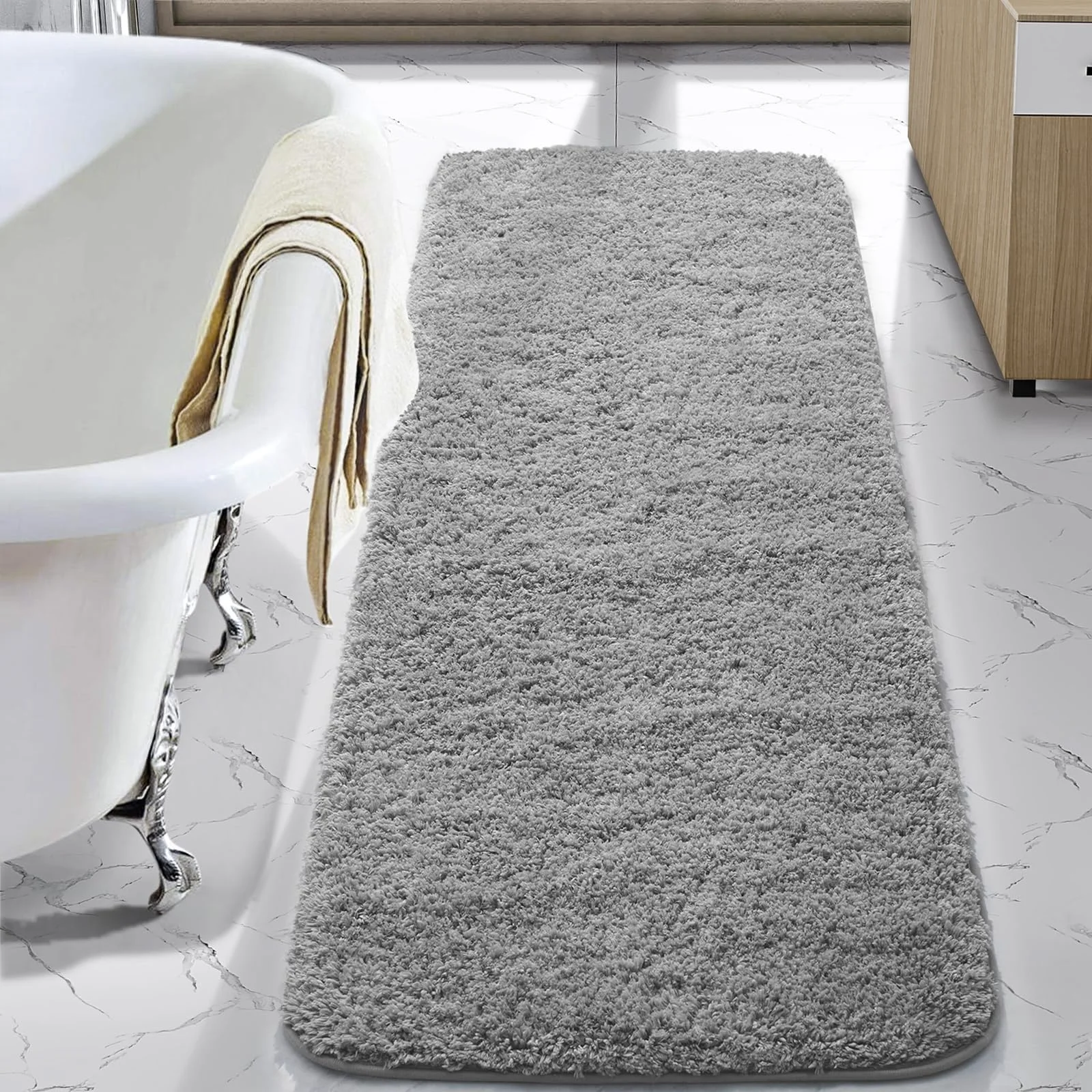
A bath mat has one job that a rug does not: it takes a wet foot, holds the water away from the tile, and gives it back to the air before the next shower.
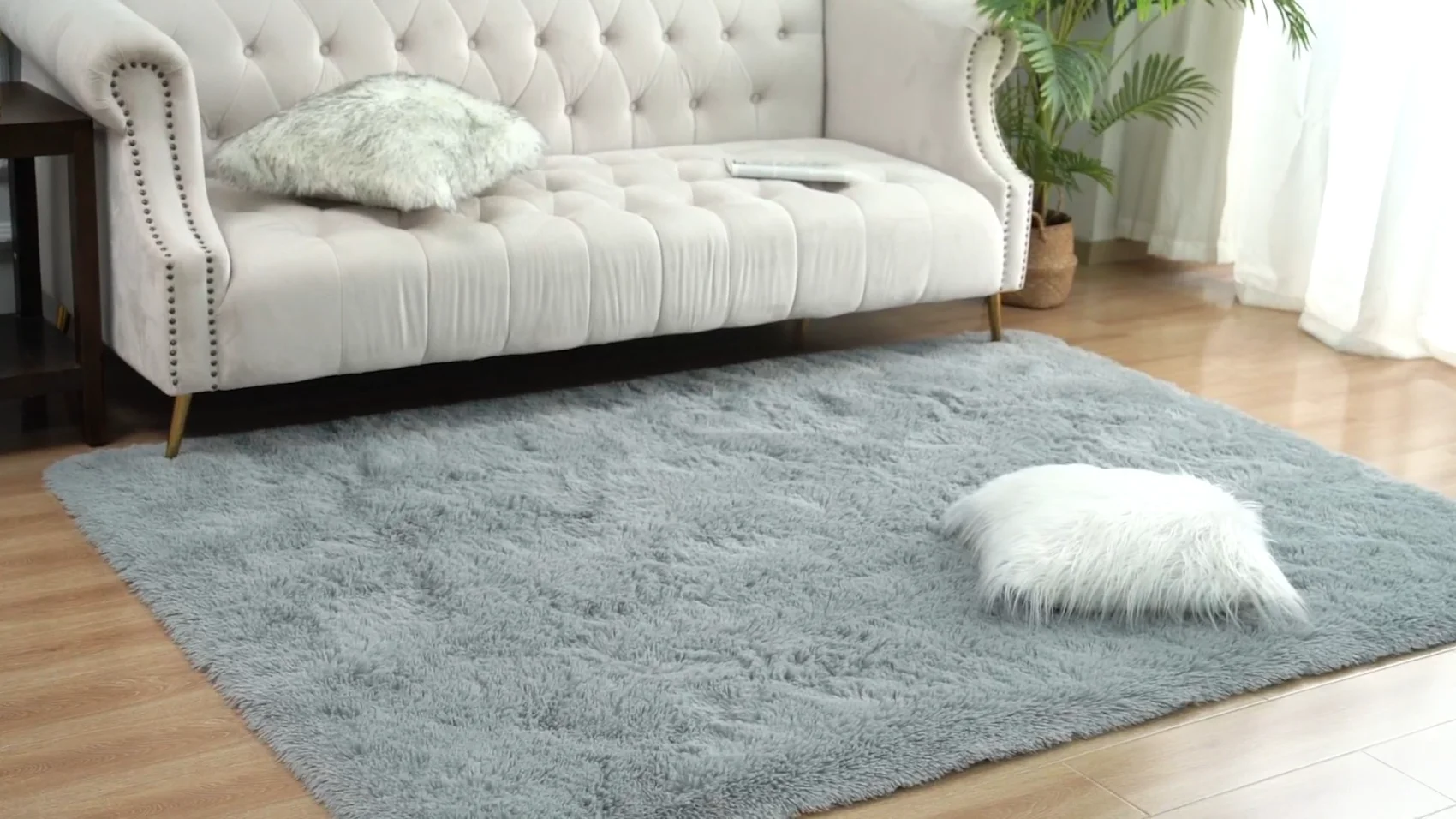
Deep pile is bought for how it feels and kept for how it is cleaned.
Questions
The dense microfiber chenille pile pulls water off a bare foot in one to two seconds, sending moisture down to the backing instead of leaving it on top. That means the surface feels dry the moment you step out. In a bathroom with normal airflow the mat itself dries quickly, without that heavy wet-towel feel.
Yes. All our chenille bath mats, runners, contour rugs, and sets are machine washable. Tumble dry on low or hang to dry, either works. The TPR rubber backing stays bonded right through the wash and dry cycle, so the mat goes straight back on the floor with the grip intact.
The TPR backing won’t mark a clean tile or vinyl floor. It grips because it sits flat against a smooth surface. Lay the mat on a dust-free, dry floor and it stays put. If the floor has loose dust, hair, or a fresh coat of polish, the grip can break and the mat may slide. A quick wipe before you lay it down solves that.
For a sofa and two chairs arranged in a conversation group, a 6 by 9 ft or an 8 by 10 ft rug lets all the front legs rest on the pile. The 8 by 10 is the go-to for a full three-seat sofa with side chairs, while a 6 by 9 works for a smaller grouping. Both sizes anchor the furniture without crowding the room.
A deep pile shag isn’t the best fit under a dining table, because chair legs can catch in the 1.77 inch pile and pulling a chair back gets awkward. A better choice for the eating area is our washable low-pile rug, with a pile about 0.2 inch that clears chair legs and robot vacuums easily.
Set your vacuum to the lowest suction, or turn off the beater bar if your machine has one. A straight suction wand or upholstery tool lifted just above the fibers pulls dust out without tugging the tufts. For daily dust and crumbs, a quick pass on low is enough. Save the deeper clean for once a week.
The color in our tie-dyed and rainbow rugs is embedded in the microfiber pile, not printed on top, so it stands up to washing and foot traffic without fading fast. If the room gets strong direct sun, a sheer curtain during the brightest part of the day helps the rug stay vivid for years. That one simple step makes a real difference.
Both are built on a dense microfiber chenille pile and a full-coverage TPR rubber backing, so they dry fast and stay put. The Microfiber Bath Mat uses a tighter, lower-profile tuft that feels velvety and dries a few minutes quicker. The Chenille Bath Mat has a taller, thicker tuft that feels more cushioned underfoot. Machine-washable, both.
Our deep pile shag rugs have a wrapped and stitched edge that won’t shed loose strands, and the backing is covered with thousands of rubber grip dots that hold the rug flat on a hard floor. As long as the rug sits fully flat with no corner curled up, it gives a stable, cushioned surface without loose threads.
Payment, delivery, and returns are handled at checkout with our retail partner.
550 pieces across 11 shelves, from a $8.99 bath mat to a $158.99 room rug. Prices are the figures from our last update.
